Showing posts with label first Nations. Show all posts

Saturday, 18 April 2015

Yanomami, their guts, your guts


Newspapers are reporting about fascinating scientific findings coming from Venezuela and the United States. The news are about how the First Nation group of the Yanomami seem to have the most varied microbiome known up to now in humans and this seems to bring special resistance to antibiotics. Exceptionally, US American and Venezuelan scientists could work together on this.

You can read about it here (in English) and here (in Spanish, different details). I am still not sure about the conclusions people are drawing on this case but then I am an absolute layman when it comes to biology

On a somewhat related note - guts and nations-, I recently read in German a book by young physician Giulia Enders: Darm mit Charm. It will appear in English next month with the title "Gut".

There is some food for thought in all these sources.

And I ask myself: what is in here for the sustainable development of the Yanomami? Their region is being invaded by countless illegal miners and smugglers.


Saturday, 3 November 2012

How can the BBC be so clumsy?


The BBC had this clip about ethnicity in the USA. It's supposed to be about how English America South of Canada evolved. And there is not a single mention of native Americans.


Monday, 1 October 2012

Capriles und die Uramerikaner, Capriles und die Verteidigung Venezuelas


Capriles ist jetzt im Bundesland Amazonas. Er erklärte, dass er in einem Jahr den Uramerikanern Landbesitz gewährleisten wird. Bis jetzt hatte der Militär Chávez solche Forderungen vermieden. Der Caudillo hatte nur einige kleinen Gebiete an einige indianischen Ethnien gegeben, die meisten kamen aber mit leeren Händen davon.
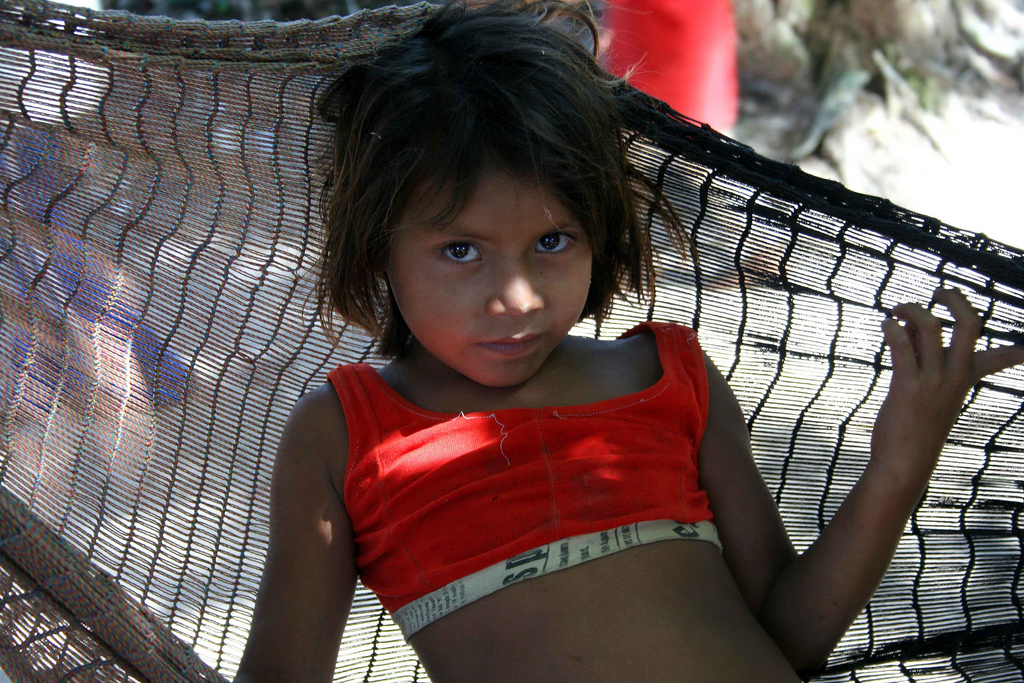
Endlich mal Land für Dich, Mädel

Capriles sagte auch, dass er zum Verteidigungsminister einen General ernennen wird, der zur Zeit aktiv ist. Die Militärs werden heute und morgen und übermorgen und bis zum 8.10 nicht schlafen können.

Caprile tut's gut.

Saturday, 1 September 2012

Yanomami land, 2008, 20012


Please, watch this documentary made in 2008.

I have been to a couple of those places myself several years ago and it was bad. It breaks my heart to hear from my friends things are getting much worse, specially on the Venezuelan side.


Somehow it strongly reminds me of some parts about the Amazonia on Vargas Llosa's book The  Dream of the Celt. But while the exploiters of natural rubber killed mostly people, the gold miners with their mercury and other substances are killing people and destroying on a more permanent basis the environment, which brings more death to humans and the rest of nature on a very long run.

Friday, 31 August 2012

Crime along the Ocamo river


The Venezuelan minister of Interior and Justice, El Aissami, said the government had already contacted 7 out of 9 Yanomami communities in the Amazonas state and they said everything is fine on their side.

This is a pointless statement, to say the least. Those communities are located in an area, as I mentioned in my previous post, a little bit larger than the Netherlands...but with the densest jungle you can imagine. There are virtually no roads there. The two communities we haven't heard anything yet are the ones about which the Yanomami reported the attack.


It's as if someone had reported an attack on Maastricht and authorities located as far as Glasgow would say people have investigated so far in Amsterdam, Rotterdam, Haarlem and Middelburg and things are fine there even if Maastricht is still pending.

Those communities are very close to the border. They have never been counted in the Venezuelan census and experts in the area - people I know - are very worried and are sure the attack happened. They just don't know what exactly happened, how many fatalities there were.

This is an area where Alexander von Humboldt had to stop his incredible voyage. It hasn't changed that much since 1800 for the Yanomami or for the Venezuelan authorities, but it has changed a lot for those looking for gold and other riches.

Thursday, 30 August 2012

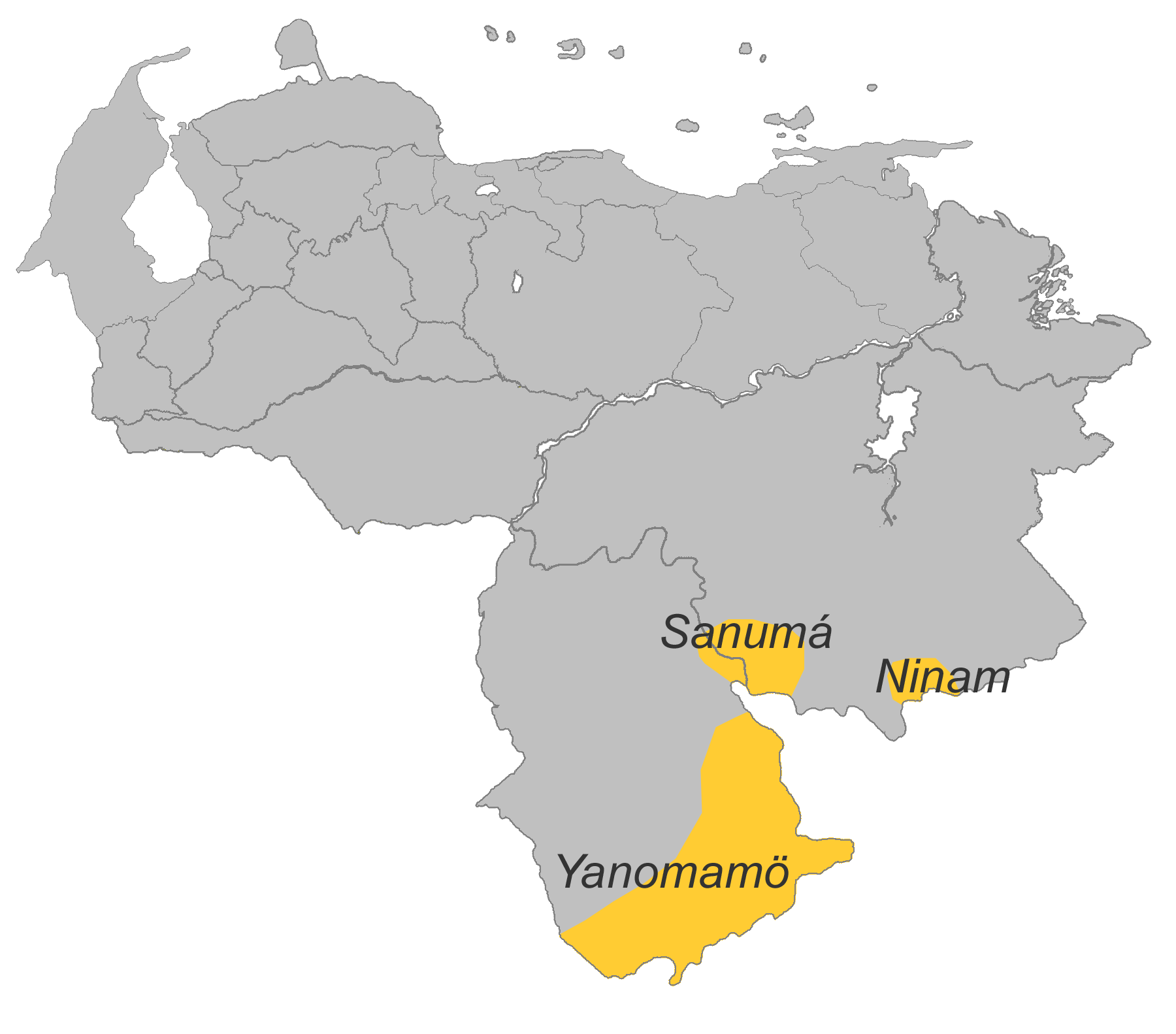
80 Yanomamö murdered by Brazilian miners?


Yesterday we got the news that, according to Horonami, an NGO for the defense of the Yanomamö, 80 of their people were murdered by garimpeiros, illegal Brazilian miners who entered Venezuelan territory - as they so very often do. The NGO asked for a governmental inquiry to take place as soon as possible. The attack, the NGO said, took place on 5 July in Momoi, Alto Orinoco, in the deep jungle.
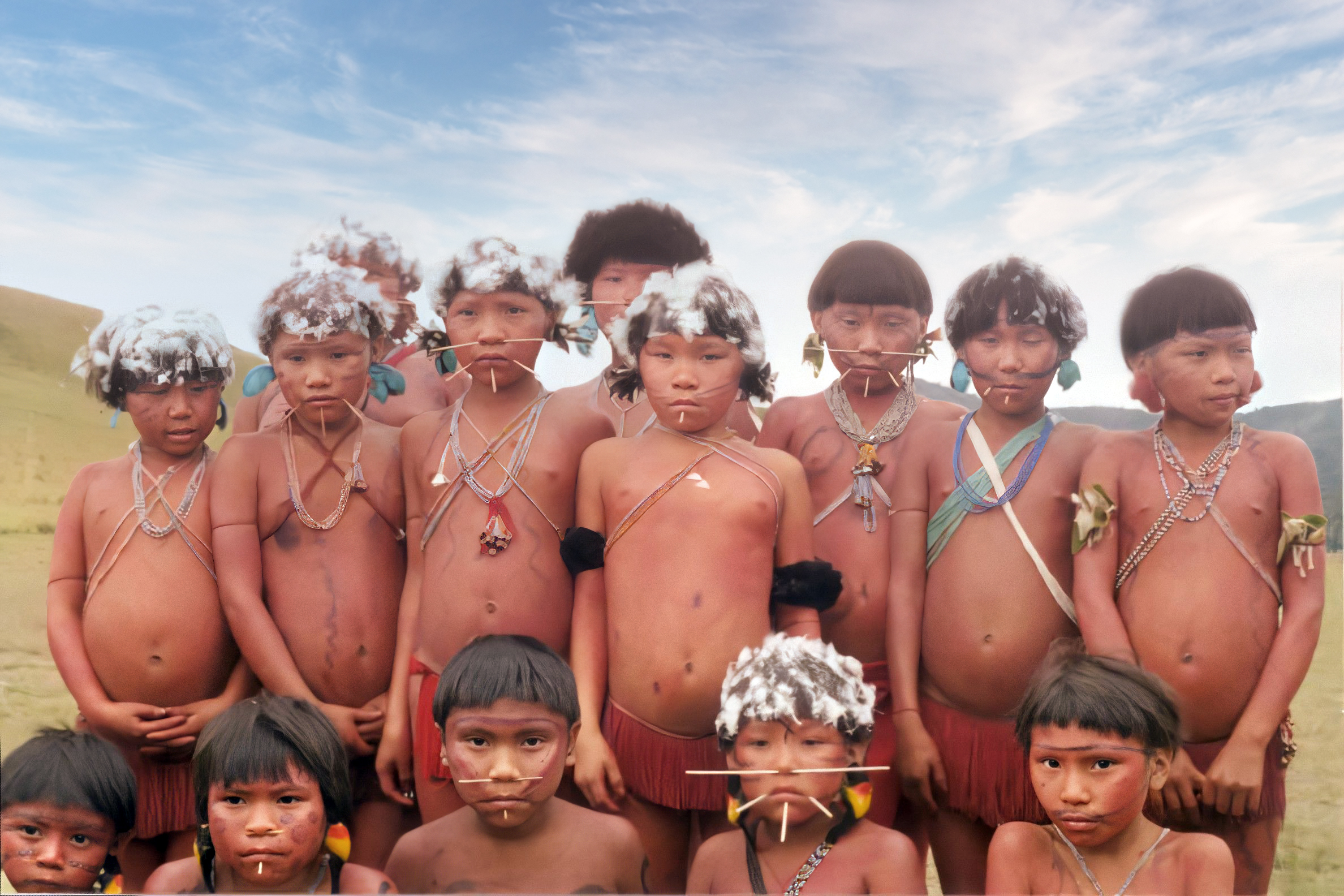
This is an optimistic view of where the Yanomamö used to live.  Garimpeiros and
other foreigners have been encroaching in their territory

Apparently, three survivors managed to escape and walked all their way to the closest human settlement, which took several days. Still, I am puzzled by the amount of time since that happened and we get the news - it has been almost two months-. Below you can see a little map of the Alto Orinoco municipality. The settlement was in the Upper Ocamo. You can read more details about the whole event and the background from a report presented by a First Nation organisation here.


We haven't any more details. Is it true? I am asking people who have been frequently in Yanomamö territory but I am still waiting for the answer as they are very hard to reach.

I really hope the number of victims is lower. One thing has been clear for a long time already: First Nation organisations have been denouncing for years about the illegal miners who assault the natives, kidnap their women and pollute the rivers with mercury. The Venezuelan government does very little...specially because it doesn't want to bother the Brazilian government...the new master of the region. Brazil has now much more stringent control of its territory and illegal miners prefer to cross over to Venezuela.


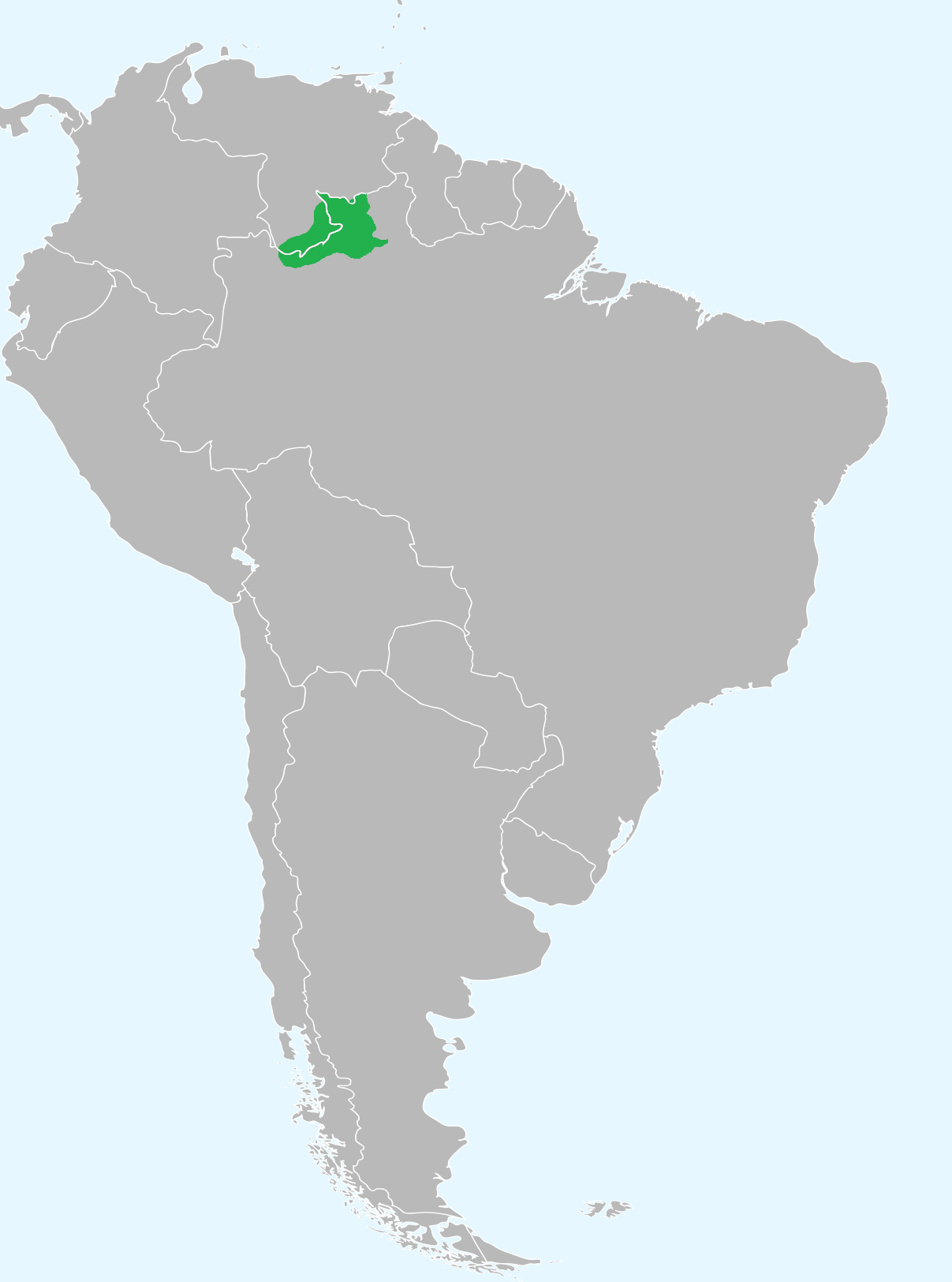
Alto Orinoco Municipality, larger than Slovakia or the Netherlands

More information, in Spanish, here


Saturday, 25 February 2012

The Chinese are going for gold in our jungles

中国中信集团公司, get use to it

Chávez himself has given a concession for a hugely important gold mine - Las Cristinas - to the Chinese corporation CITIC with shortly before leaving for Cuba to be operated yet again. Las Cristinas is located close to El Dorado, not far from the border with Guyana, in a territory the British invaded in the mid of the XIX century.

Now the Chinese company that is building houses for Venezuelans who apparently can't build houses, the same Chinese company that has become one of the main providers of equipment for oil production, is going to be in charge of getting gold from the territory of the Pemon indians. They just got in time to get that concession from Chávez before that uncertain trip of his.

The military caudillo had expropriated Las Cristinas from Cristallex some time ago. Journalist Bodzin had written a lot about the mine (see for instance, here).
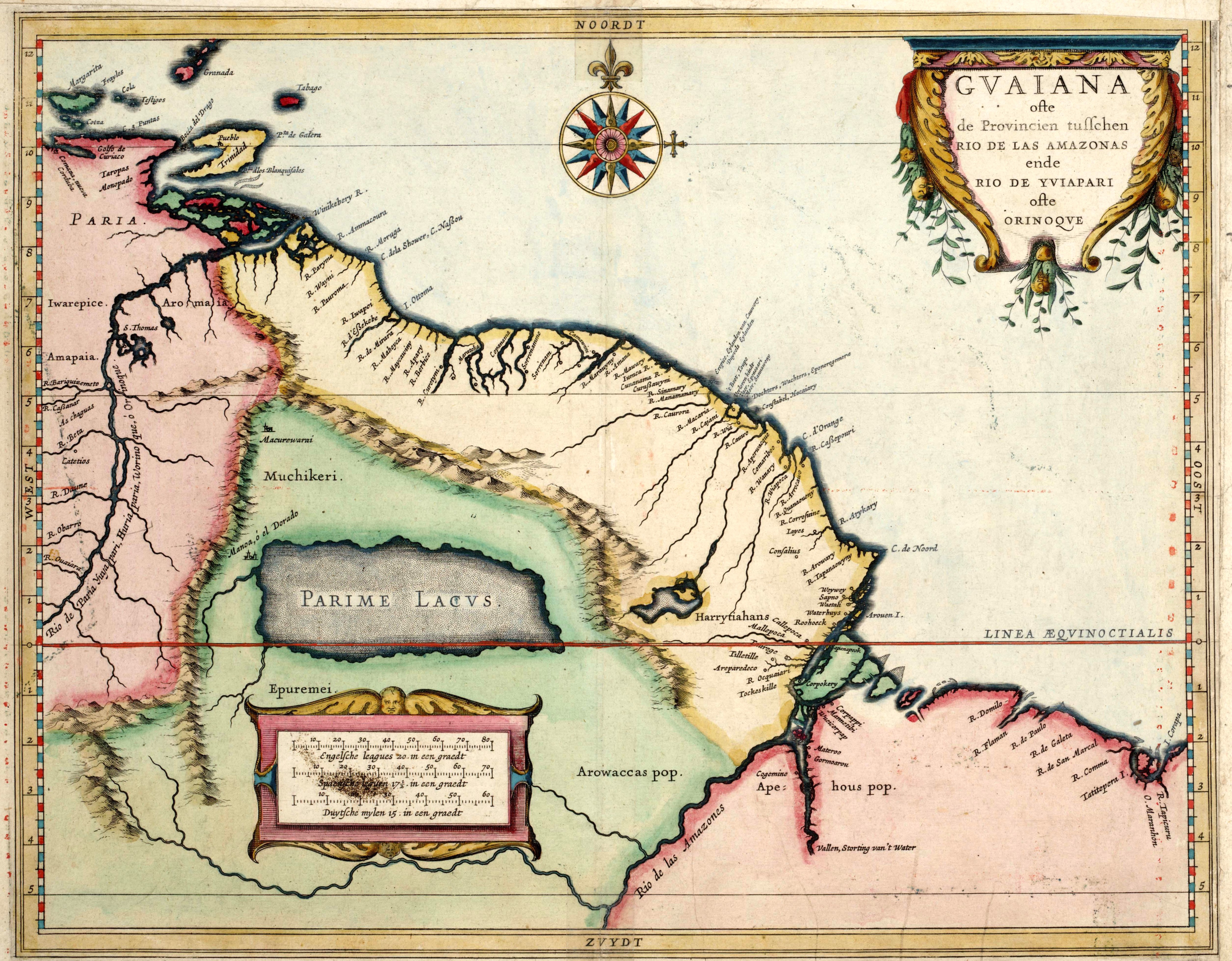
There was no Parima Lake with gold as Spaniards thought, but there is El Dorado and it only hurts and destroys

In 2010 Cristallex had made a strategic partnership with the Resource Subsidiary of China Railway Engineering Corporation, I suppose trying to get a "non imperialist player" on the game. That didn't move forward. The Russian Rusoro also had intentions to go into the business (dating back from 2009), but after yet a new empty declaration of "nationalization of mining resources" in 2011 it pulled out. I say it was an empty declaration because in reality there has been a law since Colonial times stating earth resources belong to the State and can only be given on concession...Rusoro may have really given up because they realised Chávez does "lo que le da la gana". For a time they did have some hope they could exploit Venezuela's most promising gold mine.

I had always a very bad feeling about the work of mining companies in one of the most delicate natural reserves of the world. Stay tuned. The Chinese are in.

Thursday, 12 January 2012

How the Land of Grace is being raped...again

News come from Venezuela's South-East, news come but only regional newspapers seem to pay attention. In Caracas people don't care a fig about that region. Abroad nobody will now, but you and a couple of others, maybe.

There is gold in that region. For decades now there have been illegal miners there and they have become more and more. The military has always closed one eye while pretending to protect the area.


I read an article in Notitarde about the latest slaughter in one of the illegal mines there. I read between the lines.

There was a fight between several gangs trying to control a gold mine. Lots of people got killed. The military arrived there, again, to stop the fight. Now they are burying the corpses quickly.

When the fight started, there were more than 5000 miners there.

5000 miners using mercury and other poisons in our jungle. 5000 miners who are part of a much bigger group of squatters who are settling down in our jungles, where one of our last First Nations still lives.


Friday, 30 December 2011

Venezuelan genes continued

A couple of months ago a new paper on population genetics on Venezuela appeared: "A Melting Pot of Multicontinental mtDNA Lineages in Admixed Venezuelans", by Gómez Caraballo et alia. The work has very fascinating insights into our genetic structure. Still, I have some questions about the general method.
You get these mitochondria from your mum alone

Scientists used data from Caracas and Pueblo Llano mainly to determine how the native American component was reflected in both groups. The assumption was that new flows of immigrants to Caracas had displaced the Amerindian element there whereas this element would be much stronger in the countryside. Pueblo Llano is a very isolated village in the lowlands of the otherwise very mountainous Mérida state. 

I have reported in a couple of previous posts how we Venezuelans are mostly European from the "extreme" paternal side (father's father's father's...) and "mostly" native American from the "maternal" side (mother's mother's mother's), with African American on both sides as well (but less so in general). This study didn't show otherwise, but it focused on the native American part. This is all relative: you can have an African American mtDNA and your mother can look very European and you can have an European Y haplogroup and your dad looks more African or native American (the last one being much less the case in Venezuela, as male Indians were basically out-bred).

Of the 199 samples from Pueblo Llano 177 persons had native American, 8 African American (4%) and 14 European (6%) haplogroups. The native American component in Pueblo Llano is stronger than in Caracas. This is not surprising. The African American component in Pueblo Llano was much smaller than in Caracas, where 20% had African haplotypes. This is not surprising either, we from history: there were more African slaves close to and in Caracas than in the Llanos or Andean regions.

There are more interesting things: they discovered new haplotypes of the native American A and B mtDNA haplogroups. They also confirmed the A2 clade is predominant in the Pueblo Llano area, just as in Caracas...but unlike in two studies carried out on the Yanomamö. The Yanomamö Indians have a completely different language from Caribs, who still inhabit some tiny regions in South Eastern and Eastern Venezuela and who occupied central and most of Northern central Venezuela when the Europeans arrived in 1498 and Arawaks, who still live in some areas in the Amazonas state as well as in Northwestern Zulia and who also occupied some other areas around current Coro. Their language is also quite different from that of the now extinct Timoto-Cuicas, who inhabited most of the Merida area but who rapidly merged with the Spanish settlers.

There is one item I don't find very academic. They write "native American mtDNA component is by far the most prevalent in present day urban Venezuelans (80%), whereas it is much more frequent in Pueblo Llano ( 90%) than in Caracas ( 65%)." The native American component as reflected by mtDNA is indeed clearly prevalent, but "urban Venezuela" cannot be deduced by simply by calculating the mean from the largest city in Venezuela by far and an extremely isolated area that is much smaller than the average Venezuelan town in the interior. Most Venezuelans (about 70% of the total population) live in cities with more than 100 000 inhabitants but less than one million. The population dynamics from the Eastern side of Mérida and the Western side and central valleys are also completely different from the dynamics in Bejuma or Margarita (even considering Margarita inhabitants with all grandparents born in the island). So: I think a more systematic approach needs to be taken in the future to determine "average populations".

Still, this study discovered a couple of new branches in the A and B maternal haplogroups. There is some material that adds to existing databases and that will help us in the future to establish possible migration routes for pre-Colombian South America. 

It would be great, among other things, to find the closest matches to the Yanomamö within the Americas and to carry out genetic studies on the Carib groups Pemon and Yekwana to see how distant they are, both by mtDNA and Y chromosome sequences. It could be also very interesting to examine further other groups, like the Arutani Sape, if it is not too late.


Tuesday, 13 December 2011

Did Ambrosius Ehinger have sex between September and December of 1530?

Ambrosius Ehinger was a German conquistador in XVI century Venezuela. In Venezuela and in the Spanish history Ehinger was mostly known as Alfinger. That's a very rare name in Germany.  He arrived to the Land of Grace as first governor of the Welser concession in 1529. He led German and Spanish troops across Northern and Western Venezuela and Eastern Colombia on several quests for El Dorado from then until 1533, when some Chitarero Indians killed him. He had been plundering, exploring, plundering, exploring, making friends and foes through terra incognita to Europeans, across some incredibly harsh regions.

From history we know Europeans started settling Western Venezuela in Coro, with Ampies and the Welser, but they soon left that arid place and moved to more fertile areas along the El Tocuyo River up to Carora and from El Tocuyo to Nueva Valencia and ultimately towards Caracas.

I analyzed the electoral records we have from Venezuela. This is weird. Below you see the distribution of voters per state with the very strange name Alfinger. Each dot represents a voter with that surname.

It would be interesting to check out their Y haplotype.

Surnames were becoming customary in the Spanish world earlier than in other regions. Still, Venezuela back then was not a place where Europeans tended to marry and register long-term relationships with native Americans. And yet it seems as if some people started to use that very distinct surname in one of the regions where that Conquistador was active. Did they just take over that name as remembrance of a myth? Or were they indeed the descendants of that Southern German Conquistador?

Take a look at the following IDs, for instance:

CI 19974901
CI 19974902

Wednesday, 23 November 2011

Hat ein Deutscher dies geklaut oder wirklich "mit Zustimmung" bekommen?

Die Pemon-Indianer sagen, dass ein Deutscher einen heiligen Stein aus ihrer Region ohne Erlaubnis entfernt hat. Der Deutscher, ein gewisser Wolfgang Kraker Schwarzenfeld, sagt, er hätte den Stein mit Erlaubnis der Pemones 1999 bekommen. Zur Zeit befindet sich dieser Stein in im Berlin-Tiergarten. Die venezolanischen Behörden verlangen schon seit 2003 die Rückgabe dieses Steins. Es wäre gut, wenn die deutsche Botschaft in Venezuela ihre Meinung dazu geben könnte. Es wäre noch besser, wenn wir alle Informationen über diesen Fall öffentlich diskutieren könnten.


Sunday, 18 September 2011

The Mountain of Life

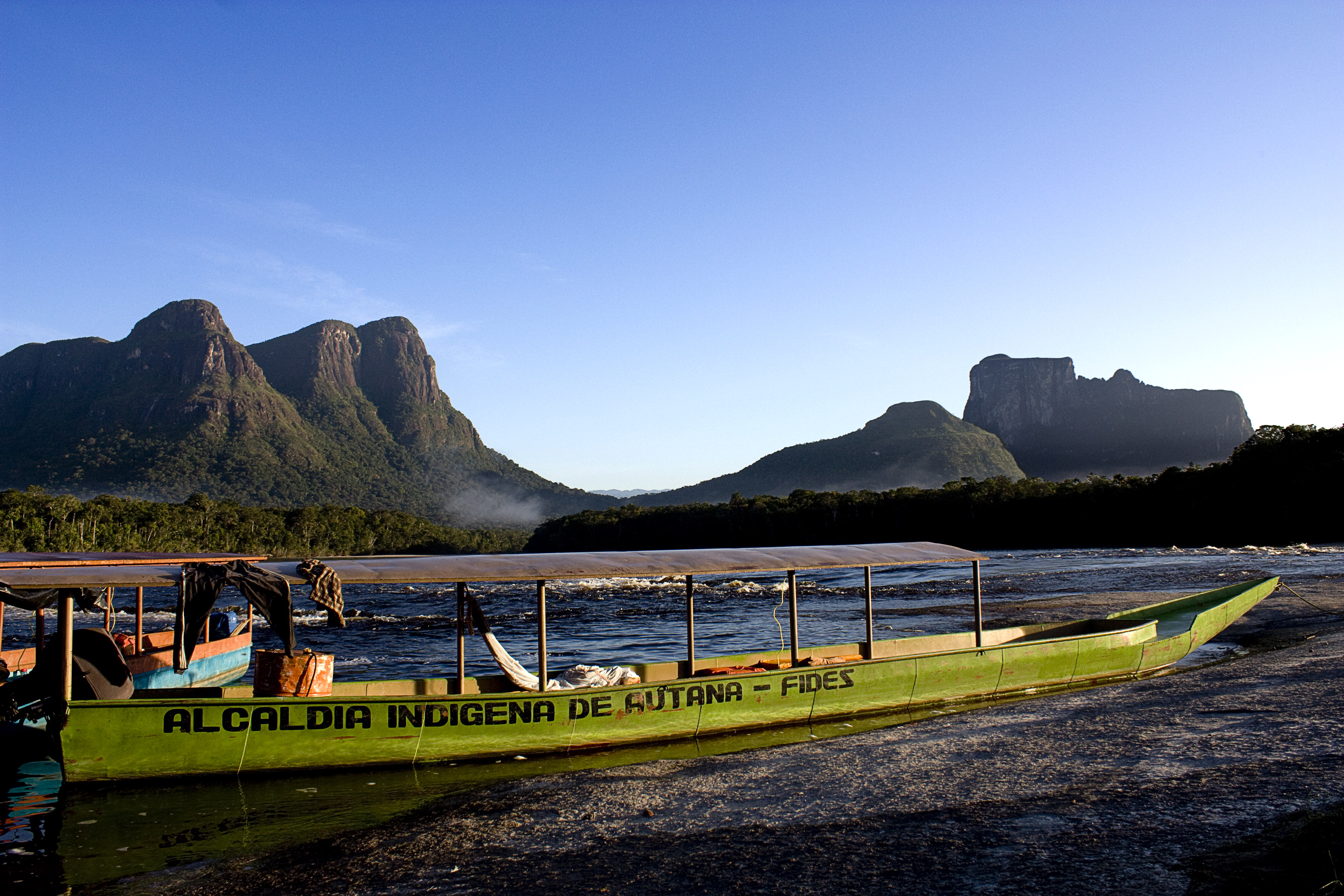
In the Northwestern part of Amazonas State, not far from the Orinoco, you can visit the Autana mountain or Mountain of Life. The mountain is made up mostly of horizontal sandstone shields, mixed with karst, which is quite a strange thing, as karst shows up mostly in limestone formations.

The Autana rises only 1250 metres above sea level, but it looks pretty impressive as the jungle around is rather flat. This is the beginning of the amazing Guayana shield, which stretches for hundreds and hundreds of kilometres towards the East. To the West and North, going over the Orinoco, you have lands that belong to the Llanos. 


The Piaroas are some of the main native American groups still living in this area. They speak a language that is completely unrelated to any other language but one.

Saturday, 2 July 2011

Timoto-Cuica

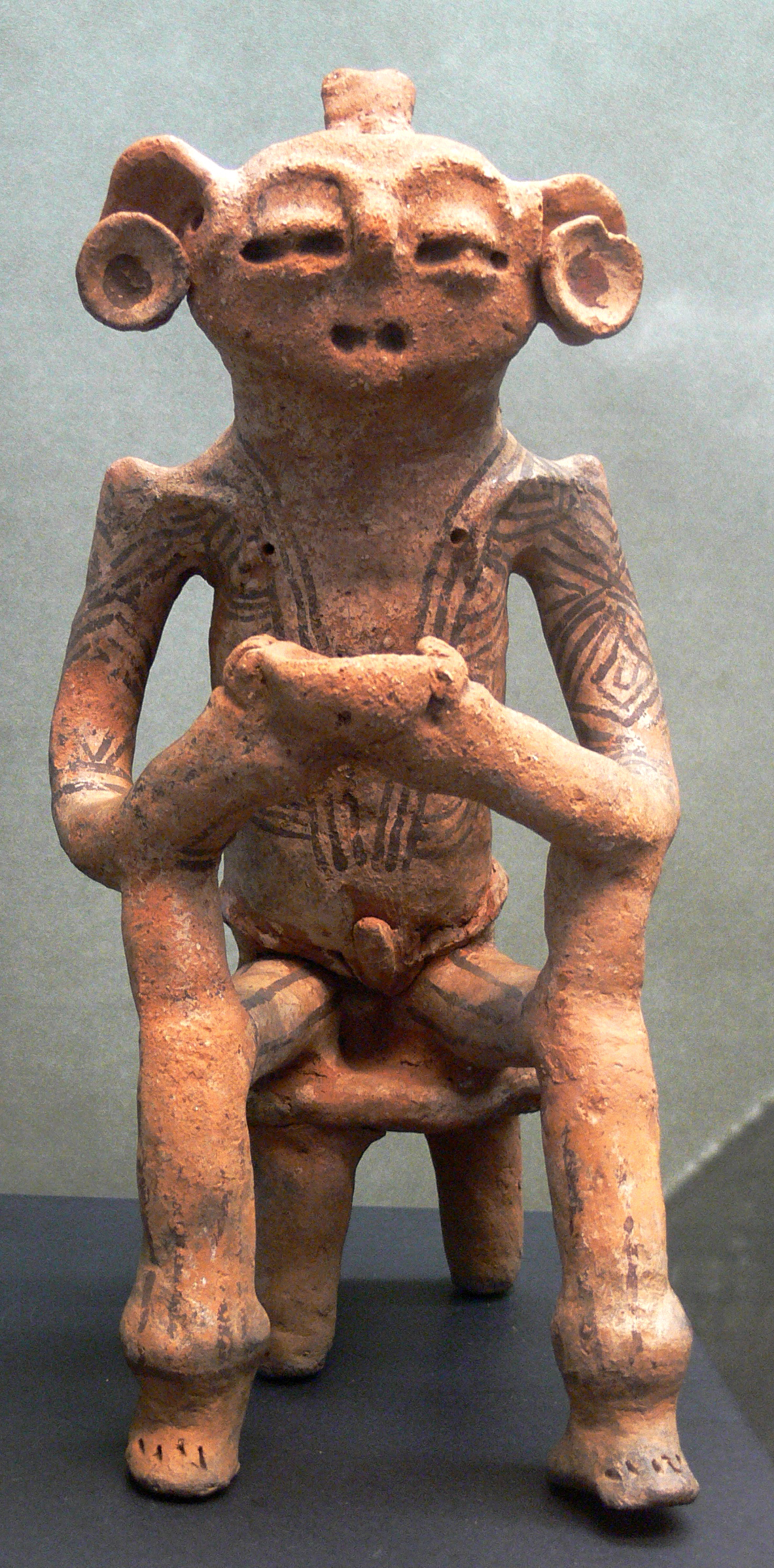
This sculpture, produced in Western Venezuela about the time when the Frankish Kingdom appeared in Europe, represents a man giving an offer.

The person who moulded it was very probably a Timoto-Cuica Amerindian. The Timoto-cuicas were part of the now mostly extinct Chibchan macrogroup.

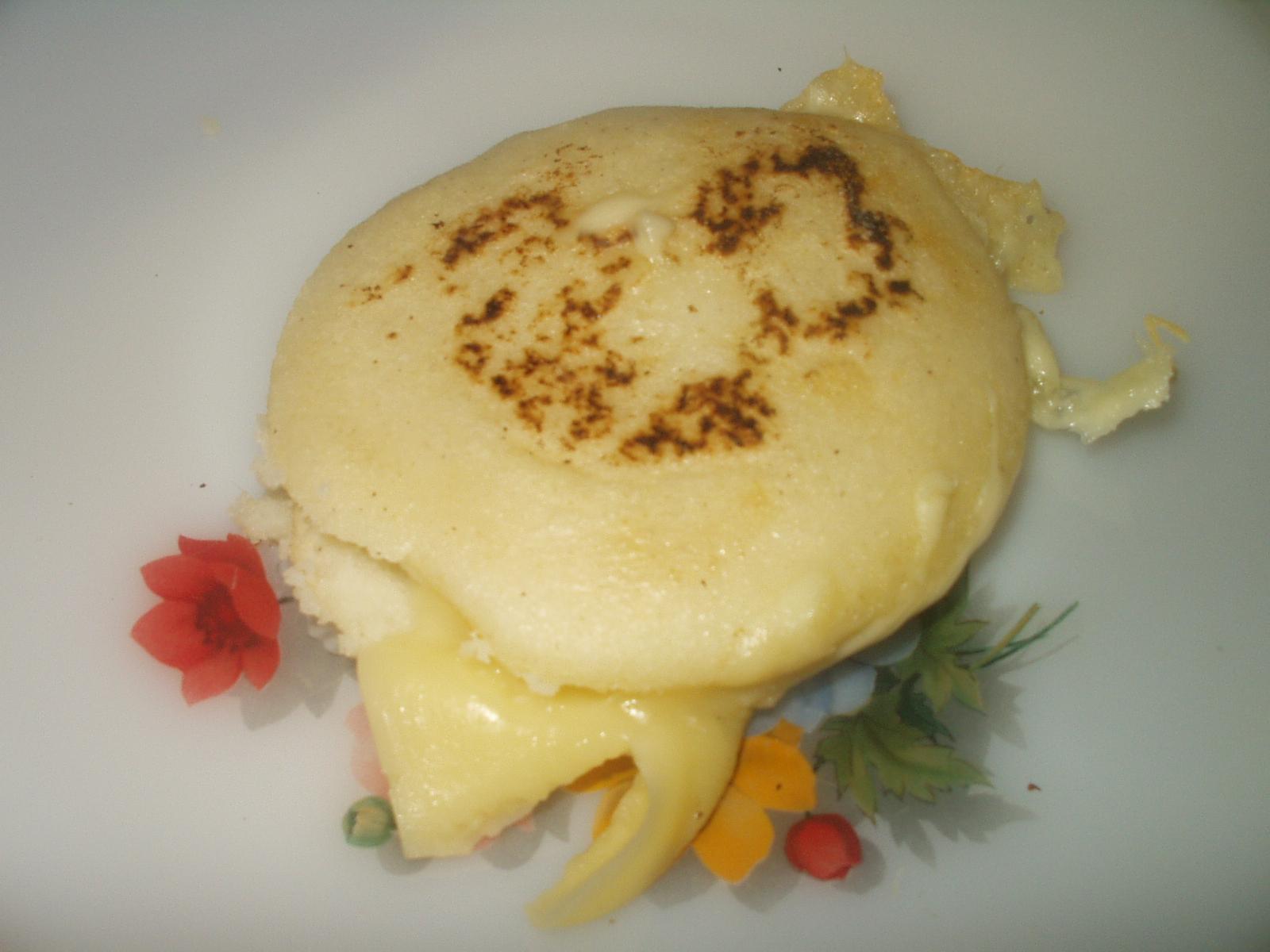
They are all gone now. Still, they remain in our genes, specially on those from the maternal side (as opposed to the paternal side, which is mostly European). They remain in some of our traditions:

Arepa

I always liked the name Timoto-Cuica, it sounds so musical: t m t kk

Saturday, 11 June 2011

How to destroy the Land of Grace


I was there. The place really feels like some sort of Paradise, some part of the First Time. No wonder it inspired Doyle's Lost World. Once I was taking some water from a river, the Paují river, and a wonderfully blue humming bird started to fly closer and closer to me. I had to move my head rapidly for it to fly away. It had apparently never seen a human being before. If you have met humming birds before you know how generally shy they are.

This place is close to the Equator, and yet it is not as warm as the surrounding Amazon forest. The reason is that it is located on a huge plateau, the Guyana shield.


This is one of the regions with the highest levels of biodiversity on Earth. If you ever manage to ge to that region, you will soon realise it has some of the most impressive landscapes on Earth.

Well: that place is being destroyed right now. El Paují is a small town to the west of Santa Elena de Wairén, close to the Brazilian border. Pemon Indians and criollos live there. Whereas some people live from tourism, from honey production and from subsistance agriculture, more and more  work in gold extraction. To get the gold they drill holes in the jungle, they change the curse of rivers and they pollute the whole river basins with mercury and other very poisonous chemicals. Because most of them have little education, they sometimes  believe they are doing no harm or if they do believe there is some harm, they think it is only to themselves. They don't see how the mercury destroys life on a long term. They don't have time to follow up the consequences of isolated actions on an ecosystem few really understand. And even if they do realise what they are doing: what else can they do?

Right now there are about 12 "washing machines" along the Paují River.  Each one of those machines gets at least 100 grams of gold a day. 380 Bolívares are paid for every gram right now. Right now nobody wants to work for anything in El Paují but for gold. They are also eager to buy anything visitors bring. And the military, who have several posts around that area, pretend to keep an eye on security and environment protection when in reality they just play along.

If you speak Spanish, you should read Morelia's post on that.
El Pauji google map

Wednesday, 30 March 2011

Cuaima, 80% of the time not lethal

The Lachesis muta is a venomous viper you can find in many areas of Venezuela, particularly  in the East and South. It can be up to 3 metres long and is, as Wikipedia says, "the longest venomous snake on the Western hemisphere". The good part is that it is 80% of the time it is not lethal for humans. There are more lethal snakes in Venezuela.


In Venezuela the most common name for this viper is cuaima, from Chaima, an extinct Carib language formerly spoken in the Northeast, in what is now Sucre, Monagas and part of Anzoátegui*. Cuaima is also a word Venezuelans use the word to refer to a very agressive, clever and cruel woman or just to talk about their beloved wives.

*there are some attempts to revitalise the language

Saturday, 12 March 2011

Venezuelan colours: Ruby-topaz

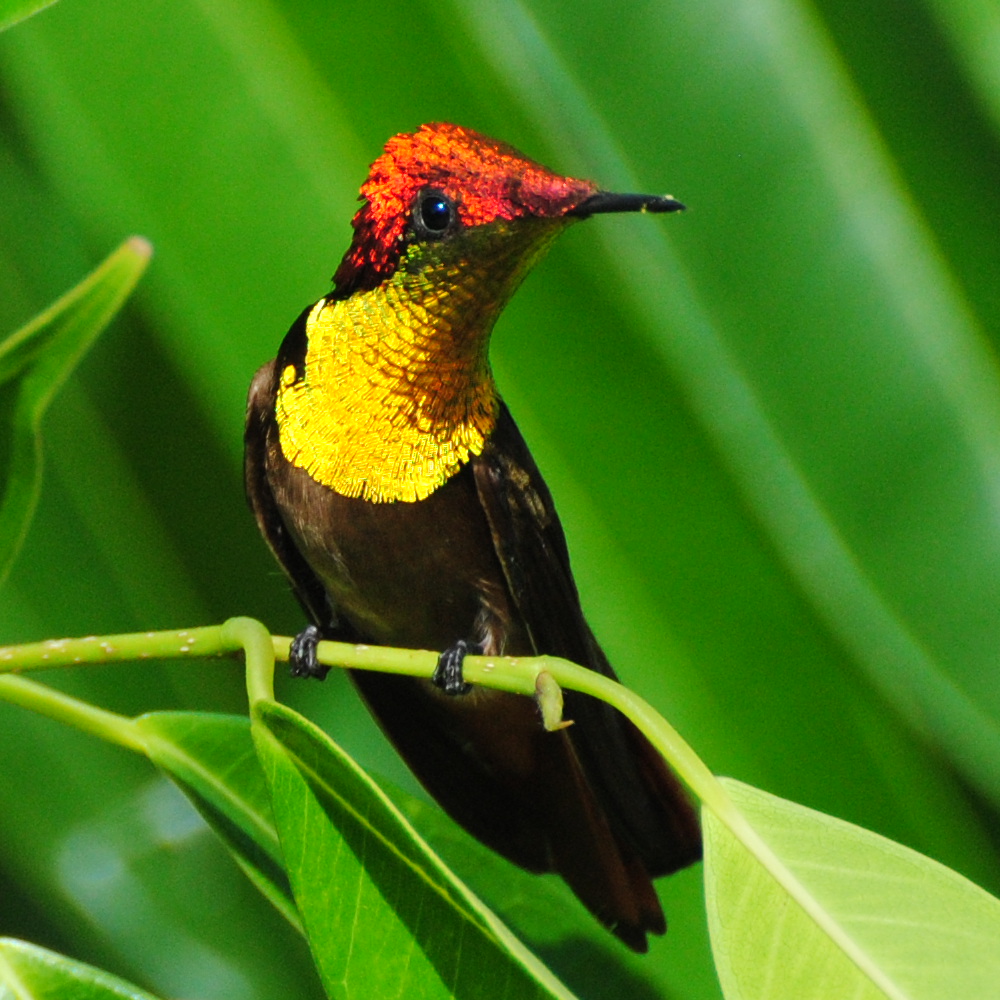
The Ruby-topaz hummingbird is another inhabitant of Northern South America. We call it in Spanish "tucusito ruby". "Tucusito" is a diminutive form in Spanish and although I could not find anything about the etymology, I bet it comes from a Carib language. In Pemon "hummingbird" is called tucü (or tucui). Large areas of Venezuela were originally inhabited by ethnic groups speaking Carib languages.

These hummingbirds are 8 centimetres long. Wikipedia dixit: "The female Ruby-topaz Hummingbird lays two eggs in a tiny cup nest in the fork of a low branch. Incubation takes 16 days, and fledging another 18 or 19."

Tuesday, 1 March 2011

The Devil in the Amazonas


The white-fronted spider monkey is an endangered species of spider monkey. Look at the very long tail it has. Look at its strange face. That face has given him the Latin name Ateles Belzebuth. The Spanish Wikipedia has more information on this little monkey.

Spanish speakers use different names for this monkey: marimona and marimonda are the ones I have heard the most. You can see the rest in the Wikipedia article. It can be confusing when crossing borders or even regions. 

In Pemon, the most widely used Carib language today with just 30000 speakers- it is called "waitiri". Waitiriyen is a Pemon location on the Yunwaru river and Waitiripa is another one in the Caroni Basin (-yen and -pa are Pemon suffixes for locations).

In the picture you see a white-fronted spider monkey in -sigh- captivity.


Thursday, 24 February 2011

Venezuelan tongues (II)

Imagine you burnt a Library of Alexandria every so many months. Well: that is the kind of information we are losing with the disappearance of so many languages all over the world.

A language is not just an alternative to express the same things. A language is a very complex system people use to shape universal and unique ideas, ideas that in turn reshape the system. A language is a world in itself. Take a look at this riveting video from The Guardian:


Venezuela's main language by far is Spanish. That has been the case for probably 400 years now. Still, there are still many languages spoken by the First Nations. Most of them are under threat.

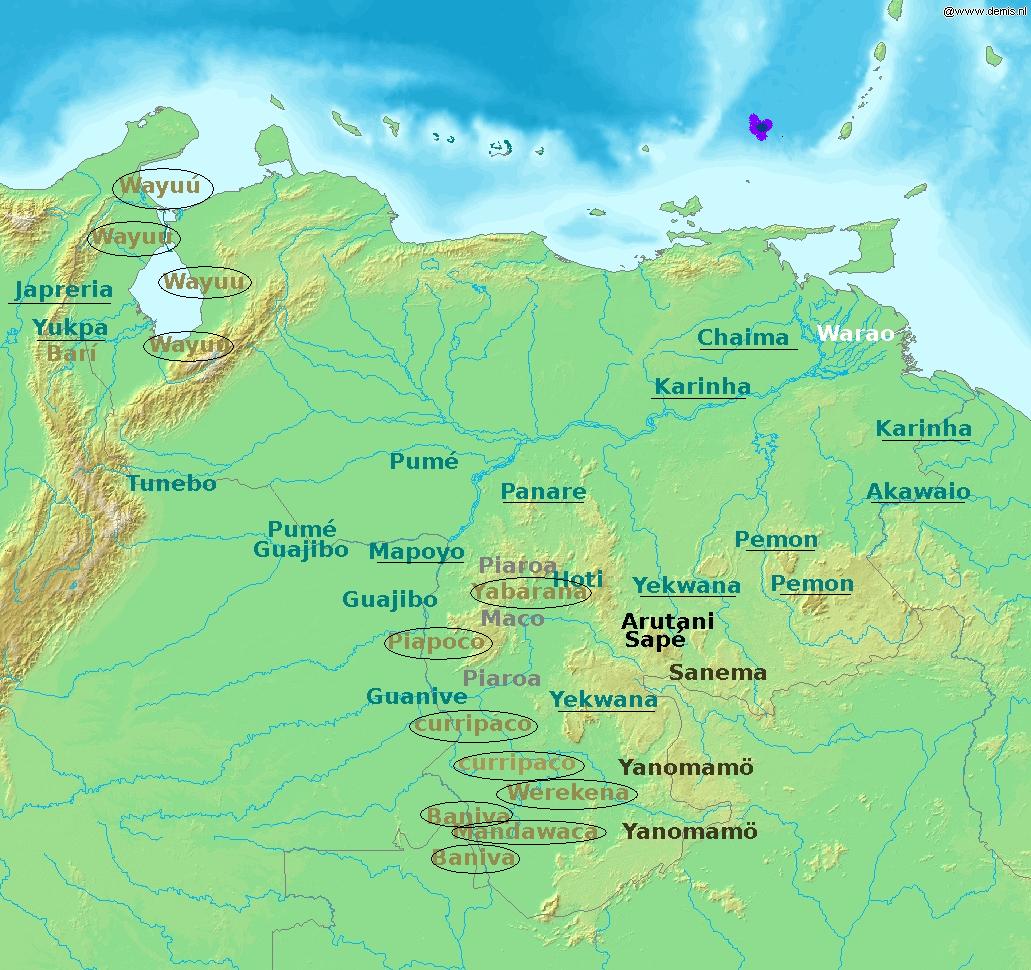
The present map shows the main native American languages still spoken today in Venezuela:


The main language families are the Arawak family (Wayuu and Warekena, Kurripako and Piapoko) and the Caribe family (like Pemon, Yekuana, Yukpa and Panare). Pemon and Yekuana are like Spanish and French or perhaps Spanish and Romanian. Pemon and Arawak languages are as far apart to each other as possible. And then there are several languages that stand alone. They are like Basque: there is nothing around like them. One of them is Warao and another is Uruak.

Warao is a language still spoken by about 20000 to 30000 people in the Delta. Uruak is a language that is probably extint or about to become extint at this very moment. There are several other languages that are on the verge of extinction in Venezuela. Uruak and Sapé are some of them.

Some two years ago the Venezuelan government finally approved the creation of the Instituto Nacional de Idiomas Indígenas. It exists on paper alone. The laws on promotion of the native American languages have been implemented only so far. We need more than just letting children sing the national anthem in a couple of those languages or to finance for just some time a couple of programmes for children to learn to write some lists of words in their parents' language.

If the government or private organisations wanted to spend just some dozens of thousands of dollars -less than what you need for a fancy jeep-, there would be enough to save one Library of Alexandria and a lot of our unique cultural wealth. We have several Libraries of Alexandria in Venezuela and they are burning right now.


Ps. I have written a bit on native languages in Venezuela in Wikipedia and you can read some of it from here

Sunday, 9 January 2011

Die Chaimas, Identität und Geschichte

Die ersten Nationen

Die Deutsche Welle hat einen interessanten Link zu den Chaimas. Sie beziehen sich wieder auf Luis Caripe, den Ihr im vorigen Video sehen konntet. Die Journalisten schreiben etwas, was viele unabhängigen Quellen mir bestätigen: "Der Lebensstandard der Caripes hat sich in der zehnjährigen Amtszeit Chávez kaum gebessert. "

In der Tat hat sich sehr wenig geändert, was die Lage der Ur-Amerikaner betrifft. Die Gesetze für die Rechte der Uramerikaner- der Absatz der Verfassung über die Sprachen der ersten Nationen, die Absätze über die Abgeordneten der ersten Nationen, die Gesetzgebung zur Förderung indianischer Sprachen sowie das Gesetz zur Preisgarantie für indianische Produkte- sind mMn der grösste Beitrag dieser Regierung. Und trotzdem ist diese Gesetzgebung sehr wenig wert, wenn sie nur auf dem Papier steht.

Was gibt es jetzt?

Es gibt in einigen Orten mehr Unterricht in indianischen Sprachen, was aber nicht so neu ist. Schon 1997 konnte ich mehrere indianische Dörfer besuchen, wo die Kinder Unterricht in ihren Sprachen hatten. Schon als Kind habe ich selbst in meiner Schule von der Warao-Sprache und von den Kulturen vieler Indianer erfahren. Humboldt hat wohl Liste von Chaima-Wörtern produziert. Es waren aber spanische Priester vor und nach ihm, die fast alle Wörterbücher und Lehrbücher der indianischen Sprachen produziert haben. Nun singen die Uramerikaner die Nationalhymne in ihren jeweiligen Sprachen. Das ist zwar nett, nicht aber viel, wenn man diese Sprachen richtig fördern will. Es gibt Sonnenpanelle in mehreren Warao-Siedlungen des Orinoko-Deltas, was praktisch sein kann, aber auch dazu führt, dass viele Indianer nun vor dem Fernseher dahinvegetieren. Da es kaum kulturelle Programme gibt, um ihre Sprachen als Kommunikationsmittel für alle Zwecke zu fördern, benutzen sie immer mehr Spanisch.


Warao-Kinder


Es wurden einige Schulen gebaut. Mit so viel Geld hätte man aber viel mehr bauen können - und Bibliotheken dazu. Einige Indianer haben nun Universitätsabschlüsse der bolivarischen Universitäten, die Qualität der Studien ist aber miserabel. Wir haben immer noch Warao- und Wayuu-Bettler, die eigentlich einen richtigen Job haben sollten. Das alles ist ziemlich wenig für 12 Jahre Regierung und den grössten Erdölboom der Geschichte Venezuelas.

Identität

Der jetzige Präsident redet immer wieder über "uns Indianer, deren Vorfahren von den Spaniern gefoltert, ermordet wurden". Er stellt seine Anhänger als ewige Opfer und die anderen -das sind wir- als "Täter, Nachkommen der bösen Spanier". Eigentlich sind die allermeisten Venezolaner - auch Chávez - nicht Indianer, sondern Nachkommen von Spaniern, Uramerikanern und Schwarzen. Wir sind die Kinder einer sehr komplexen Mischung. Wir sind nicht Opfer und auch nicht Täter unserer Vorfahren. Wir sind die Gegenwart und wir müssen für die Zukunft arbeiten. Was haben die neuen Chávez-Abgeordneten getan, als sie ihr Amt antraten? Sie sagten, sie seien "die Kinder vom Indianerführer Guaicaipuro und Bolívar".

Als ich klein war, hatte ich das so gelernt: wir sind eine Mischung von all den Kulturen. Leider stellte ich später fest, dass viele Venezolaner das nicht genau empfanden. Leider musste ich feststellen, dass viele Venezolaner viel weniger über Geschichte wussten, als was sie hätten wissen müssen. Man lernt einfach zu viel auswendig und zu viel, was nicht nötig ist. Fast jeder Venezolaner weiss, an welchen Tag der Caudillo Bolívar geboren ist und an welchem Tag die Carabobo-Schlacht stattfand. Sie wissen aber oft nicht, was uns mit der Aussenwelt verbindet, woher unserer Hauptsprache stammte, was unsere europäischen Vorfahren im Mittelalter getan haben, was für ein Leben unsere indianische Vorfahren wirklich hatten und wieso ihre Technologie weniger entwickelt war. Und so haben Venezolaner immer noch Probleme damit, ihre Identität zu definieren. Und so sagt Chávez, dass Indianer sozialistisch waren und die Menschheit vor erst 20 bis 25 Jahrhunderten entstand und manche Chávez-Anhänger denken, "Tauschhandel" sei eine Erfindung der Indianer und Geld eine Erfindung der Kapitalisten.

Zurück zur Geschichte der Chaimas. Im Artikel der Deutschen Welle steht, dass die Spanier die Kultur der Indianer zum Teil zerstört haben. Das ist auf jeden Fall richtig. Wie Luis Caripe aber sagt, sprach man immer noch Chaima in Venezuela als Humboldt zu Besuch war. Das war zwischen 1799 und 1800. Venezuela hat seine Unabhängigkeit nur einige Jahren danach bekommen.

Die ersten Nationen meiner Region hatten ihre Sprache schon im siebzehnten Jahrhundert verlernt. Die Waikeri-Indianer haben ihre Sprache nur einige Jahre später vergessen. Wer war dafür verantwortlich? Vor allem die Spanier von damals. Wohlgemerkt: von damals. Und die Spanier von damals waren auch unsere Vorfahren. Und die Chaimas und die Guayones und viele anderen haben ihre Sprachen erst nach der Unabhägigkeit verloren. Wer war dafür verantwortlich? Zum Teil unsere Vorfahren, die damals Venezolaner hiessen. Wohlgemerkt: von damals.

Es ist schon an der Zeit, dass wir weniger über "Opfer" und "Täter" sprechen und uns mehr damit beschäftigen, unsere vollständige Identität zu verstehen und unsere Kultur und unser Land richtig zu fördern, nicht nur mit Wort, sondern mit Tat.


Diese sind meine Bücher für Pemon, eine Karibensprache. Ich habe vor allem in der spanischen Wikipedia einige Beiträge über die Ersten Nationen Venezuelas geschrieben




Sunday, 12 December 2010

Venezuelan tongues


The vast majority of Venezuelans speak Spanish as mother tongue. That has been the case for over 300 years. We have hundreds of thousands of immigrants from Europe outside Spain, from the Middle East and from other regions apart from South America but Spanish is our main language by far. Our Spanish varies from region to region and across social strata and yet one cannot talk about dialects in the same way as one talks about dialects for English, German, Norwegian, Dutch or Italian. People on the coast speak with a more Caribbean accent, people from the Western Venezuelan Andes speak more like Colombians from the Andes, people in Margarita have their way and people in the Llanos or in Guayana speak differently...but just so much. We also use words Spaniards took over from the native American languages and a few taken over from the languages spoken by African slaves. They refer mostly to food and the local nature: arepa comes from Carib/Karina (Carib proper), chinchorro (a sort of hammock) from Chaima (an extinct Carib family), onoto from Tamanaco (another extinct Carib language).

I have always found very revealing to talk to Spaniards who had never been to Spanish America. I discover time after time how some of the expressions I thought were Venezuelan turn out to be Andalusian or Galician or from some other region in Spain...or how some meaning I have was normal in Spain centuries ago, but not now. Nowadays Andalusians and Venezuelans or Galicians and Venezuelans use words people in Madrid do not use, even if they are almost always understood without problem. My dad's mother, an illiterate lady, would use expressions considered "wrong" by traditionalists who follow some prescribing grammar, but as a teenager I started to discover many of those expressions were used by, among others, the Marquis of Santillana, one of the best known Spanish poets of the XV century. People from the "Guaro area", one of the first centres of Spanish colonization in Spanish America- still use verbal forms identical to the ones used by the Spaniards in the XV and start of the XVII centuries: the most traditional voceo. People in Argentine and other American regions also use a form of voceo, but they differ more: "vos amáis" in XV-century Spanish and "Guaro" Spanish, "vos amás" in Argentine Spanish.

About 2% of the population belong to our First Nations. Even though a large part of them speak Spanish, they also speak one (or two) of the some 29 American languages still surviving in Venezuelan territory. We are not talking about dialects, but rather about clearly distinct languages (I won't get here into the language versus dialect issue). Those languages belong to several languages families that are as different as the Romance family to the Germanic one or even as different as the Romance family to Semitic languages. I will talk about some of them on another post.

Above you can see a mind map (in Spanish) representing the main native American languages spoken in Venezuela.

Several of those languages are going to become extinct in the next decades.