Showing posts with label Venezuelan culture. Show all posts

Tuesday, 13 October 2015

Venezuelan poet Rafael Cadenas wins the Federico García Lorca Prize


This is just so cool! One of my favourite Venezuelan poets, Rafael Cadenas, from Barquisimeto, just got the prize.

Here you can read - in the language of God - an interview with him.

Congratulations, Mr Cadenas!
El Maestro Cadenas

Sunday, 3 May 2015

Venezuelan food in Europe - Comida venezolana en Europa


If you know of a Venezuelan restaurant in Europe, could you put its name and address on the comments' section, please? Thank you!

Si conoces un restaurante venezolano en Europa: ¿podrías escribir su nombre y dirección en los comentarios, por favor? ¡Gracias!


Tuesday, 8 April 2014

Die Osterzeit ist da und das Nagetierfleisch ist so teuer geworden!


Die Capybaras sind die grössten Nagetiere der Welt, wesentlich grösser als die von den Deutschen als Meerschweinchen bekannten Cavias. Sie leben im Orinoko- und Amazonenbecken und sind ausgezeichnete Schwimmer.

Das Capybarafleisch ist der katholischen Kirche zufolge erlaubtes Essen während der Semana Santa und sonst zu Fastenzeit, also wie ein Fisch.  Wie Fischen sehen diese Tiere nicht aus, wie dem Leser schnell deutlich wird. Die spanischen Priester hatten zu Kolonialzeiten den Indianern beigebracht, freitags kein Fleisch zu essen. Sie stellten aber fest, dass die Indianer Capybaras weiterhin aßen...mit der Begründung, die Tiere seien ja auch Fische, denn sie schwammen fast die ganze Zeit. Die Priester waren sehr flexibel und wurden zu Lobbyisten für die Capybara-Genießer. Im Jahr 1784 sollen sie durch eine päpstliche Bulle die Erlaubnis bekommen haben, das Tier freitags und zu Osterzeit zu essen.

Früher war Capybara keine Delikatesse, sondern normales Essen zu Ostern und sonst, wenn man was anderes wollte.

Jetzt werden Capybaras auch gezüchtet. Sie sind in den Llanos zu finden. Die Tiere werden zur Zeit insbesondere im Februar und März getötet, wenn sie sich  wegen der Trockenzeit in den wenigen Teichen und Flüssen treffen. In der Regenzeit sind die Llanos fast überall überflutet und die Capybaras können den Jägern leichter entfliehen. Wenn sie getötet werden, werden sie normalerweise getrocknet und gesalzt.

In Venezuela werden Capybaras fast immer Chigüire genannt. Das Wort Capybara kommt aus einer Kariben-Sprache aus dem Amazonas-Gebiet, das Wort Chigüire kommt dem Priester Caulín zufolge aus der Sprache der Cumanagotos und Palenques. Diese waren ebenfalls karibische Ethnien, die wohl im Nordosten Venezuelas lebten.

Ein Kilo Capybarafleisch kostet zur Zeit Bs 300. Das ist 34,6 Euro oder 6% des Monatslohns eines Lehrers, 9.2% des Mindestlohns. 

Wer mehr über Capybaras lesen will, kann das hier (auf Spanisch) tun.
Hier ein Beispiel der Umweltproblematik: illegale Jäger töten die Tiere, wie sie wollen.


Monday, 10 February 2014

A Venezuelan film wins an award in Spain


"Azul y no tan Rosa" won the prize for the best Ibero-American film in Spain's Goya Awards. You can read about it in Spanish in El País. 


Tuesday, 23 April 2013

El día de nuestro idioma

Rrrrrrreflexionemos.


Hoy es el día que algunos locos escogieron para celebrar nuestro idioma, el español. Yo usualmente no celebro fechas declaradas una u otra cosa por convención. Me irrita. Me parece aburrido. Pero en este caso hago una excepción. Es que nuestro idioma, de una u otra manera, influye de manera clara en la percepción que tenemos del mundo. Bastante tinta y saliva han corrido desde que formularan sus ideas de relativismo lingüístico gente como Wilhelm von Humboldt y otros románticos alemanes. Las posiciones sobre la influencia concreta de nuestro idioma en la mente en general son infinitas. Pero en cualquier caso: difícilmente se halla gente que ponga en duda la importancia del idioma materno en la formación de la identidad.

El uso que hagamos de nuestro idioma tiene repercusiones sociopolíticas y socioeconómicas muy importantes, a nivel nacional e internacional. El uso de este, el idioma que obtuvimos en casa, influye, de una u otra manera, en el nivel de discurso, en la posibilidad de entablar un debate o de propulsar una idea. Si tratamos nuestro idioma con descuido, con dejadez, nos va a dejar mal. Si ganamos otro, ganamos una nueva dimensión, pero si perdemos el nuestro, estaremos siempre siempre en una situación precaria. Si lo cultivamos, no nos vamos a arrepentir de ello jamás.

Mi idioma materno es el idioma de Cervantes y de Darío, de García Lorca y Ramos Sucre, pero también es el idioma de lo que queramos ser y lograr nosotros mismos. Quiero usar el español para leer nuestra riquísima literatura y escuchar nuestras canciones, pero también quiero usarlo para tratar sobre ciencia y tecnología, sobre política y economía, sin complejos y sin tapujos.  Sin rechazar otros idiomas y sin ínfulas de nada basado en accidentes lingüísticos, festejo y gozo mi lengua materna. Y sé  que esto tendrá consecuencias. El español tiene grandes posibilidades. No quiero dejarlas en posibilidades.


Sunday, 29 January 2012

Venezuelas-Schönheitsköniginnen

Spiegel zeigt's: Schönheitswahn in Venezuela. Darum haben wir, was wir haben: Chávez. Wenn so viele Venezolanerer und Venezolanerinnen so sehr auf Äusseres aufpassen, ohne zu erkennen, was wirklich wichtig ist und was langfristig bleiben wird, ist das Land leichte Beute für Schurken an der Macht.

Es ist schon peinlich, aber wahr, was da gezeigt wird. Schön wäre's, wenn unsere Leute stattdessen ein bisschen mehr und besser lesen bzw nachdenken würden.

Friday, 27 January 2012

Venezuelan surnames and the founder's effect

I generated a little map showing the three most common surnames in every Venezuelan state. There are better  methods to discover population movements based on surnames and yet even this distribution can tell us a little bit about our history.

The top surnames in Táchira and Mérida on the West - the region of the gochos - are a unique pattern in Venezuela: they both have Ramírez and Contreras among the top 3. Trujillo - the Northern most part of the Gocho area has Briceño as most popular surname and Montilla, the third one, is among the top 3 only there.

Falcón has Medina as third most common surname. Finally: Nueva Esparta and Sucre have among the top the surname Salazar.  I am sure if we go back to the XIX century and perhaps earlier we will see some reasons for this distribution.

Wednesday, 23 November 2011

Hat ein Deutscher dies geklaut oder wirklich "mit Zustimmung" bekommen?

Die Pemon-Indianer sagen, dass ein Deutscher einen heiligen Stein aus ihrer Region ohne Erlaubnis entfernt hat. Der Deutscher, ein gewisser Wolfgang Kraker Schwarzenfeld, sagt, er hätte den Stein mit Erlaubnis der Pemones 1999 bekommen. Zur Zeit befindet sich dieser Stein in im Berlin-Tiergarten. Die venezolanischen Behörden verlangen schon seit 2003 die Rückgabe dieses Steins. Es wäre gut, wenn die deutsche Botschaft in Venezuela ihre Meinung dazu geben könnte. Es wäre noch besser, wenn wir alle Informationen über diesen Fall öffentlich diskutieren könnten.


Saturday, 2 July 2011

Timoto-Cuica

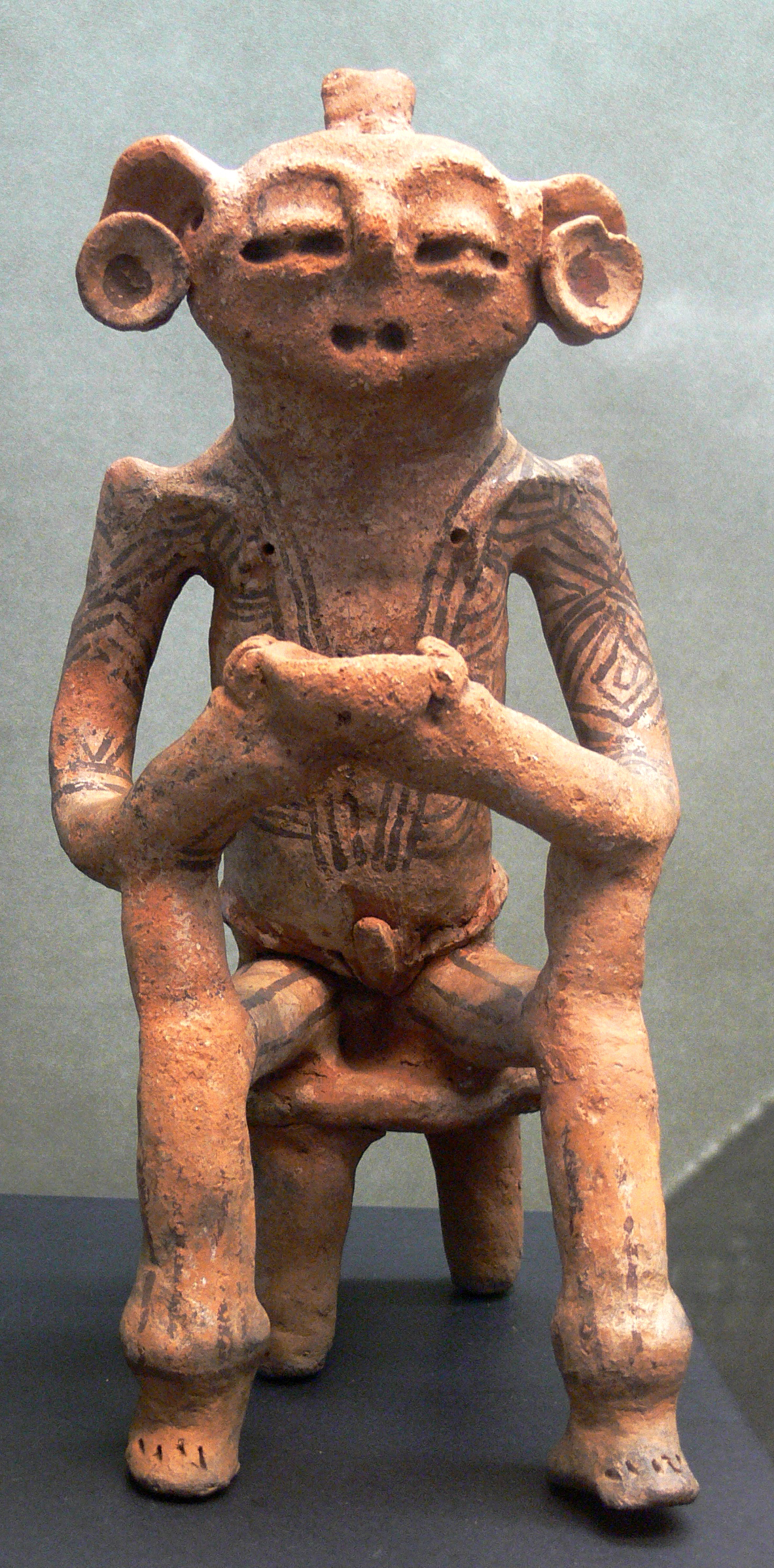
This sculpture, produced in Western Venezuela about the time when the Frankish Kingdom appeared in Europe, represents a man giving an offer.

The person who moulded it was very probably a Timoto-Cuica Amerindian. The Timoto-cuicas were part of the now mostly extinct Chibchan macrogroup.

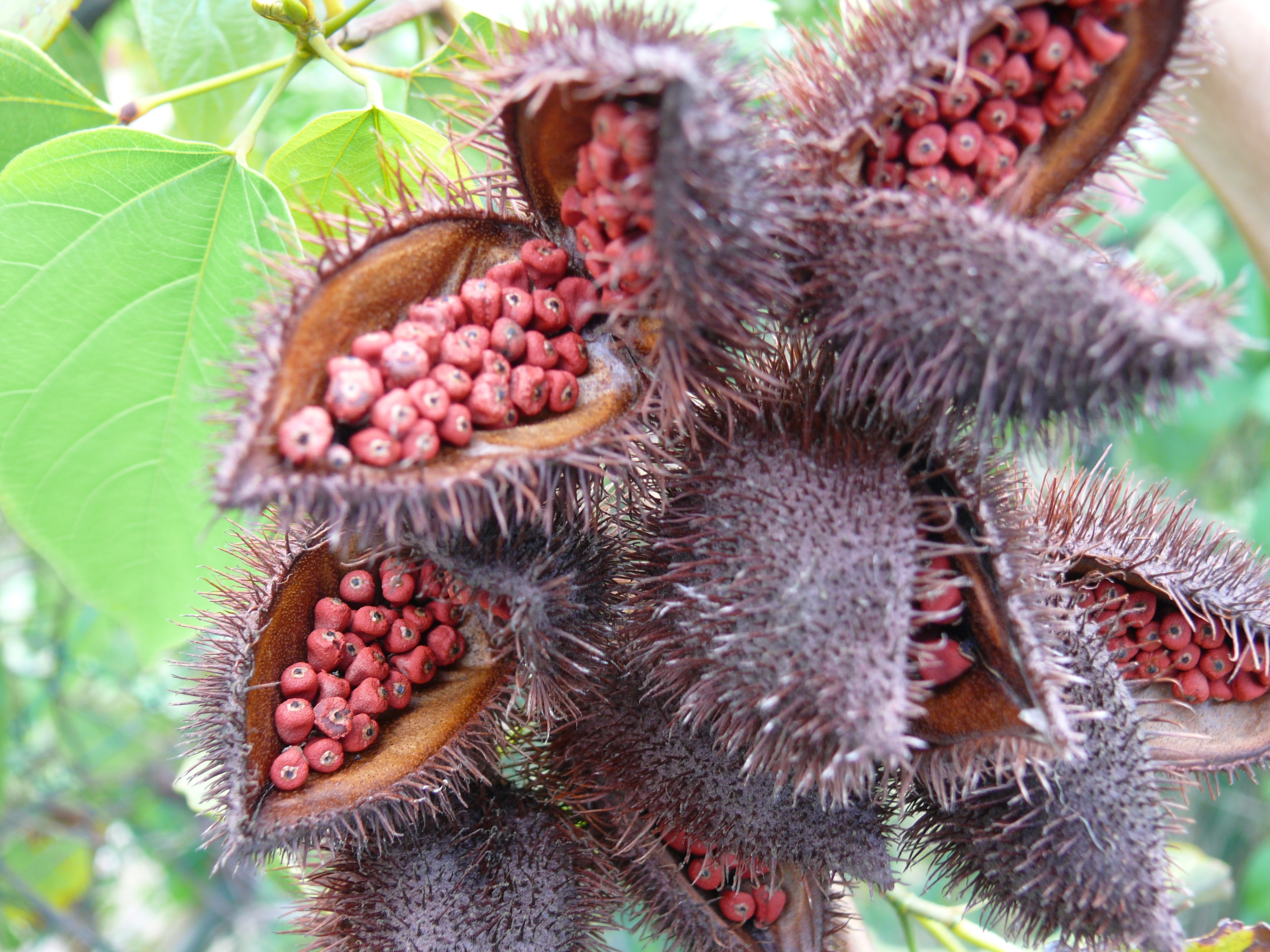
They are all gone now. Still, they remain in our genes, specially on those from the maternal side (as opposed to the paternal side, which is mostly European). They remain in some of our traditions:

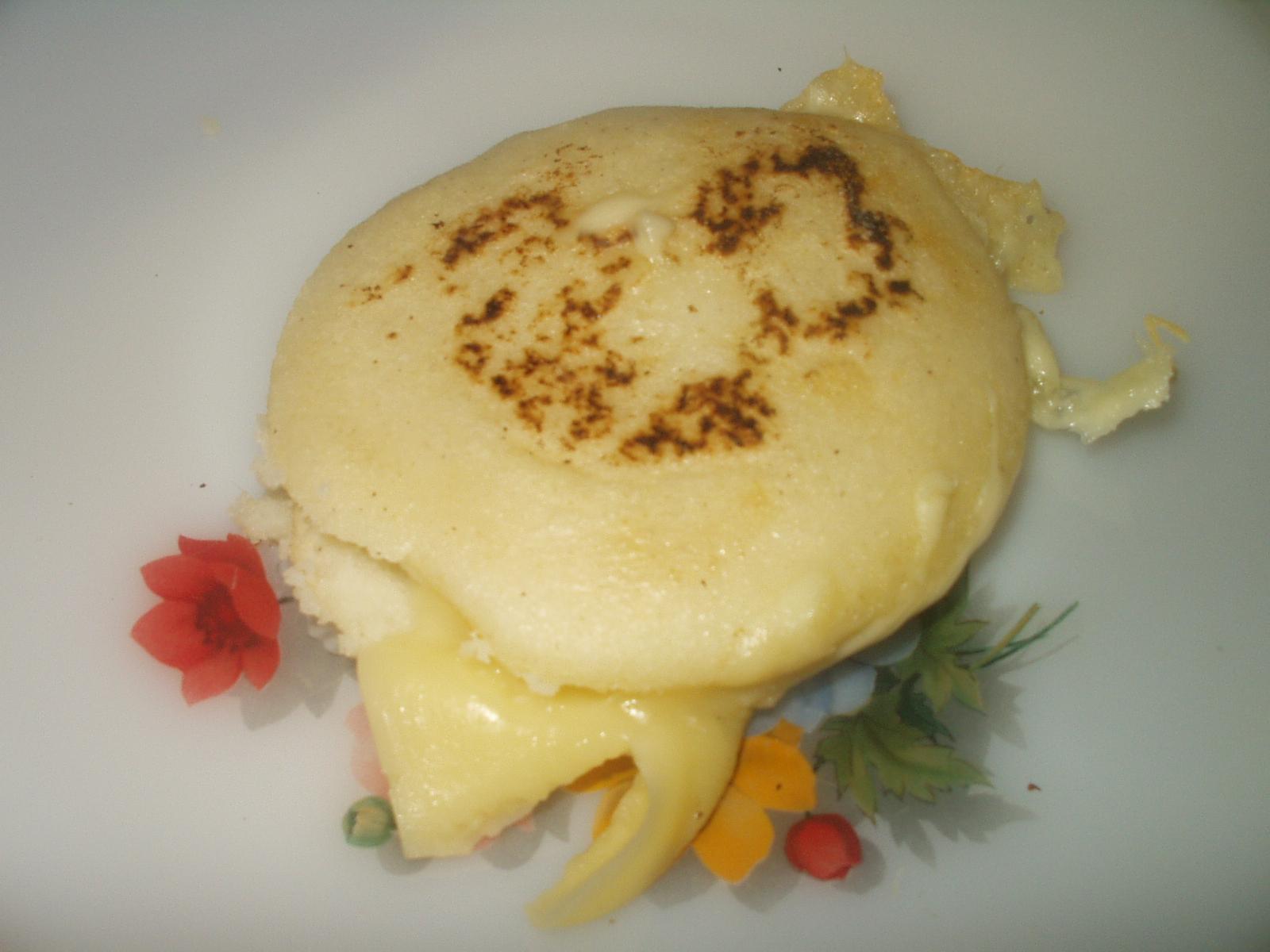
Arepa

I always liked the name Timoto-Cuica, it sounds so musical: t m t kk

Monday, 20 June 2011

I was a devil

When I was a child I also was a devil

And it was so cool! My mask was red and white and blue (more white and red than the mask shown here). Back then red had no bad connotation, it was just devilishly red and it was fun.

Monday, 25 April 2011

Venezuela's historical humunculus

Neurologists have found out how perception and feeling for different body areas are mapped in our brains. They came up with a funny humunculus that show how some parts take a bigger chunk of the brain's resources than what one would initially expect.

It would be interesting to do research on the Venezuelan average brain, even if figuratively speaking. How much attention do we pay to such things as planning or to beach? 

It would also be interesting to know how our historical records are structured and how they differ to those of Mexicans, Chileans or Europeans. Of course: that is not possible.

History and historical manipulation have been used over and over again to direct and manipulate complete nations. That was the case in the Fertile Crescent. That was the case when the English Americans started to invade native American areas in they saw as their "Manifest Destiny". That was the case in Russia and Venezuela.

Humboldt wrote in the first half of the XIX century only two main events seemed to be part of the Venezuelan's historical memory: the Conquista and the Independence war. He also wrote Venezuelans did not feel a very strong link to the history of their ancestors from Europe or from the original America. I would add they did not feel much link to their African ancestors either. 

And that is one of the reasons why the military caste in Venezuela, starting with Bolívar, and then our politicians, have managed to manipulate Venezuelans with particular success. They have transformed Bolívar and some "heroes" into some weird "Gods" and they have declared themselves the priests who do what the Gods wants.

If you ask 10 Venezuelans in what century - more or less - the Spaniards arrived to Venezuela, most of them would not know. If you ask them how their mother tongue, Spanish, came to be, from what language it derives, you will be surprised at the answers. If you ask them a little bit about what social systems native Americans had, you will often hear quite a lot of amazing myths. That is the reason why Chávez can say in an Aló Presidente that native Americans were socialist, did not have kings or slaves and were 2 meters tall. That the reason why a third of our 300+ municipalities are called after a military caudillo.

Every Venezuelan knows the date when Bolívar was born and the day he died. That's not so hard, anyway: those are holidays in Venezuela.

Most Venezuelan books about history suck. They suck big time. The pathos, the kitsch you find is incredible. The very few foreign books about  Venezuelan history you will find are not very different, with some exceptions. The Bolívar cult is promoted, other aspects of Venezuela's development are completely forgotten or just glossed over in an incredible manner.

That is why I am trying to write a little bit more about Venezuelan history beyond myths in Wikipedia.

I wish Venezuelan historians - the real ones - would start to become more prominent. If they do, they will have two big enemies: the government and the military.

I wonder what happened to the ideas the Academy of History announced.

Saturday, 29 January 2011

Ein deutsches Dorf in Venezuela


Wo ist denn das? In Venezuela, logo!


Hier könnt Ihr eine sehr gute Sendung von der ZDF über die Colonia Tovar, ein deutsches Dorf in Venezuela.

Saturday, 8 January 2011

Humboldt in Venezuela 1


Alexander von Humboldt ist in Lateinamerika mit grosser Wahrscheinlichkeit bekannter als in Deutschland. Hier habt Ihr einen ausgezeichneten deutschen Dokumentarfilm über ihn. Die Bücher sind -logo- tausendmal besser. Dieser Film ist aber eine schöne Einführung zu Humboldts Reisen und ein guter Verbindungspunkt zum gegenwärtigen Venezuela.

Bei 3:03 spricht Herr Caripe über "uns Indianer". Eigentlich sind die meisten Chaimas -eine Ethnie der Kariben- aufgrund der vielen Volksbewegungen an der Nordküste Südamerikas ziemlich bunt gemischt mit Europäern und -etwas weniger- mit Schwarzen. Meine Schwester sieht viel indianischer aus als er. Der Mann hat aber schon einen sehr Chaima-Familienname: "Caripe". Seine Frau sieht auch viel indianischer aus. Caripe war eine Chaima-Region. 99% der Venezolaner haben europäische Namen. Diese Namen waren manchmal nur übernommen, sie sind aber meisten schon die Namen unserer Vorfahren: über 90% der männlichen Vorfahren aller Venezolaner und über 20% aller weiblichen Vorfahren waren Europäer. Die Indinanerinnen bildeten schon der Hauptanteil der weiblichen Vorfahren.

5:20: Die Priester haben zumindest bis zur Unabhängigkeitszeit die Chaima-Sprache nicht verboten, sondern auch untersucht und gefördert. Das sagt Humboldt selbst und er zitiert sogar oft von diesen Priestern. Humboldt hat auch Wörterbücher und Grammatiken der Priester nach Deutschland geschickt, damit sein Bruder diese Werke für seine Untersuchungen verwenden konnte. Manche dieser Werke befinden sich nun in deutschen Bibliotheken. Wann und wo genau haben Priester die Benutzung der indianischen Sprachen verboten? Das weiss ich nicht. Im Delta und im Gran Sabana-Gebiet haben sich die Priester für die Beibehaltung dieser Sprachen eingesetzt.

Cumana ist eine Stadt, die Ihr mal besuchen müsst, wenn Ihr Venezuela besucht. Nur der Kern hat noch historische Gebäude, die ganze Region ist aber schön.

Leider ist die Vision über Simón Bolívar in diesem Dokumentarfilm etwas zu rosig. Das ist nicht verwunderlich: man hat mit venezolanischen konventionellen "Historikern" geredet. Marx hatte eine ganz andere Meinung. Professionele Historiker, rechts und links, auch.

Ihr könnt in Wikipedia ein bisschen über die Fettschwalmen, die Guácharos, lesen.

Sunday, 12 December 2010

Venezuelan tongues


The vast majority of Venezuelans speak Spanish as mother tongue. That has been the case for over 300 years. We have hundreds of thousands of immigrants from Europe outside Spain, from the Middle East and from other regions apart from South America but Spanish is our main language by far. Our Spanish varies from region to region and across social strata and yet one cannot talk about dialects in the same way as one talks about dialects for English, German, Norwegian, Dutch or Italian. People on the coast speak with a more Caribbean accent, people from the Western Venezuelan Andes speak more like Colombians from the Andes, people in Margarita have their way and people in the Llanos or in Guayana speak differently...but just so much. We also use words Spaniards took over from the native American languages and a few taken over from the languages spoken by African slaves. They refer mostly to food and the local nature: arepa comes from Carib/Karina (Carib proper), chinchorro (a sort of hammock) from Chaima (an extinct Carib family), onoto from Tamanaco (another extinct Carib language).

I have always found very revealing to talk to Spaniards who had never been to Spanish America. I discover time after time how some of the expressions I thought were Venezuelan turn out to be Andalusian or Galician or from some other region in Spain...or how some meaning I have was normal in Spain centuries ago, but not now. Nowadays Andalusians and Venezuelans or Galicians and Venezuelans use words people in Madrid do not use, even if they are almost always understood without problem. My dad's mother, an illiterate lady, would use expressions considered "wrong" by traditionalists who follow some prescribing grammar, but as a teenager I started to discover many of those expressions were used by, among others, the Marquis of Santillana, one of the best known Spanish poets of the XV century. People from the "Guaro area", one of the first centres of Spanish colonization in Spanish America- still use verbal forms identical to the ones used by the Spaniards in the XV and start of the XVII centuries: the most traditional voceo. People in Argentine and other American regions also use a form of voceo, but they differ more: "vos amáis" in XV-century Spanish and "Guaro" Spanish, "vos amás" in Argentine Spanish.

About 2% of the population belong to our First Nations. Even though a large part of them speak Spanish, they also speak one (or two) of the some 29 American languages still surviving in Venezuelan territory. We are not talking about dialects, but rather about clearly distinct languages (I won't get here into the language versus dialect issue). Those languages belong to several languages families that are as different as the Romance family to the Germanic one or even as different as the Romance family to Semitic languages. I will talk about some of them on another post.

Above you can see a mind map (in Spanish) representing the main native American languages spoken in Venezuela.

Several of those languages are going to become extinct in the next decades.

Thursday, 26 August 2010

Humboldt (and Venezuelans|und Venezolaner)


Alexander von Humboldt wrote the following at the start of his long visit to Venezuela in 1799. The place was Cariaco, now a third-rank town that was an important "city" in Venezuela back then.

"We met in the city many people who through a certain lightness of behaviour, through a wider scope of ideas and - may I say - through a strong preference for the form of government of the United States, showed they had a lot of links with the outside world. Here we heard for the first time under these skies people pronouncing the names of Franklin and Washington with excitement. Next to the expression of this excitement we got to hear complains about the current situation of New Andalusia, images, often exaggerated, of the natural wealth of the country, and passionate, impatient desires for a better future"


Alexander von Humboldt hat folgendes am Anfang seines Aufenthalts in Venezuela 1799 geschrieben. Der Ort war Cariaco, eine wichtige "Stadt" im damaligen Venezuela, jetzt einfach ein Kaff.

"Wir lernten in der Stadt viele Leute kennen, die durch eine gewisse Leichtigkeit des Benehmens, durch umfassenderen Ideenkreis und, darf ich hinzusetzen, durch entschiedene Vorliebe für die Regierungssorm der Vereinigten Staaten verriethen, daß sie viel mit dem Ausland in Verkehr gestanden. Hier hörten wir zum erstenmal in diesem Himmelsstriche die Namen Franklin und Washington mit Begeisterung aussprechen. Neben dem Ausdruck dieser Begeisterung bekamen wir Klagen zu hören über den gegenwärtigen Zustand von Neu-Andalusien, Schilderungen, oft übertriebene, des natürlichen Reichthums des Landes, leidenschaftliche, ungeduldige Wünsche für eine bessere Zukunft."


Monday, 7 December 2009

Venezuela, Land of Grace

Two Venezuelans, Austrian-born Gerry Weil and Venezuelan-born Hector di Donna, composed this song in honour of the Pemón. Enjoy sound and image.

Saturday, 27 December 2008

Goodbye to a colour wizard


Braulio Salazar died yesterday. He was a well known painter from my city, Valencia. As a child I saw him a few times at some artistic events I went to with my parents. Maestro Salazar had a great charisma, not just artistic skills. Because he was allergic to chemical painting, he had to develop natural colours, so he made them out of Venezuela's soils and plants.

I spent a lot of time at the exhibitions of the Ateneo de Valencia and his work was often there. I enjoyed very much the power of his magic with colours. Those images are part of my childhood.


Saturday, 7 June 2008

Adiós a Eugenio Montejo

ποίησις ποίησις ποίησις ποίησις ποίησις ποίησις ποίησις

I have little time right now, but I just wanted to say Venezuela has lost a great poet.
Eugenio Montejo died last Thursday in Valencia, age 69.

Most people outside Venezuela heard about him just when they saw the film 21 Grams, where one of his poems was quoted. He wrote much better material than that, so I would suggest you try to find some of his books.

You can find some basic information on him in Wikipedia here (I was adding now some details there)

Here some links about him:

G. Parra in his excellent blog on Venezuelan poetry wrote an eulogy here, in English

And there is some in El Universal


Sunday, 27 January 2008

Ideas for Culture in Venezuela

5) CULTURE

This is part of all the ideas for Venezuela.

5.1. OFFER MORE CULTURAL PROGRAMMES AND LESS PROPAGANDA:
The Venezuelan government needs to take off political propaganda from the public TV and add more diverse cultural programmes. Venezuelans cannot be forced to watch one or the other programme, but they should be able to have more offer from the public channels on such issues as natural science, on how Japan, Europe and the US developed, on how they can set up their own business or what environmental wealth and problems Venezuela has.

5.2. PROMOTE THE PUBLIC USE OF PEMON, GUAJIRO, WARAO:

All public signs in areas with significant Indian population must be written in Spanish and in the language of the Indian community. This goes for all the Guajira region (Guajiro), the Gran Sabana (Pemon) and the Delta (Warao).

5.3. MAKE THE INSTITUTE FOR INDIGENOUS LANGUAGES SOMETHING REAL:

The government should guarantee that the announced Institute for Indigenous Languages does work for the preservation of those languages:

  • coordinate with the Indigenous communities the creation of dictionaries and grammars not only for universities but above all for the communities themselves
  • promote the translation of basic textbooks in those languages
  • foster the interest in those languages among all Venezuelans

5.4. PROMOTE MUSEUMS AND THEATRES AT SCHOOLS:
The government needs to promote school visits to museums and theatres.