Showing posts with label personality cult. Show all posts

Monday, 28 July 2014

Personenkult in Venezuela: Chávez' Geburtstag


Die venezolanische Regierung hatte den Mercosur-Gipfel in Venezuela so organisiert, dass das Ereignis mit dem Geburtstag des Caudillos Chávez zusammenfällt. In Caracas und anderen Städten Venezuelas werden Feierlichkeiten organisiert - inkl. Feuerwerke-, weil der gewaltsame Putschist, de im Jahr 2013 starb (oder Dezember 2012, wir sind noch nicht sicher) heute vor 60 Jahren geboren wurde.

Und so werden nun Mujica aus Uruguay und Vertreter anderer Regierungen Lateinamerikas den Geburtstag dieses toten Militärs mitfeiern müssen. Natürlich sieht man dies anders in Uruguay: ihre Vertreter gehen nach Venezuela, um am Mercosurgipfel teilzunehmen, wie man das hier auf Spanisch lesen kann.

So was haben wir fast


Monday, 7 July 2014

Venezuela's post versus the rest of the World

Venezuela's postal service has always have issues but since May of this year Venezuelans simply cannot send post to most of the rest of the world. Perhaps letters may arrive in Cuba, but I am not even sure of that. The system is so bad that even state employees, always afraid of losing their jobs, were protesting some weeks earlier.

When I was a child in Venezuela I used to get lots of post from people from the Soviet Union to Canada. A normal letter from Valencia, Venezuela, to Beliko Turnavo in Bulgaria or to Brno in Moravia would take at most two weeks to arrive.

In the last few years friends of mine have sent letters from Venezuela to Western Europe that took from three to six and a half months to arrive. Those letters spend at most two or three days of that duration in Europe. The rest of the time except for the flight they are in Venezuela. At the end of the XVIII century Venezuelan letters to Prussia would take less time than that. Only during the British blockade against Spain did letters take the time they were taking until this year, as Alexander von Humboldt once reported (a letter he sent from an Indian village in remote Apure arrived six months later in Prussia because of the English battle ships). Now Venezuelans can only use rather costly private services...even though the state employees keep getting their salaries.

What's the matter? The system is highly ineffective. People are not motivated to work. Prices don't change according to inflation. But the reason for the total collapse now is that the government doesn't have dollars to pay for getting letters out of Venezuela. This is yet another proof the government simply hasn't got the money.

Venezuela's postal services have become highly ideological spots. If you go to one of the few postal offices in Venezuela you will be shocked to see the level of personality cult and propaganda for Chavismo there.

Look at the twitter account of Spain's postal services:


And look at the twitter account of Ecuador's postal service:


This is the one for Venezuela: full of pictures of a military coup monger:


Venezuelan authorities say the "temporal suspension of international post" is due to a high demand. This is, of course, ludicrous.

Venezuelans now cannot send letters through the "revolutionary post service" but they still can buy these stamps and take part in the craziest, sickest personality cult of the last decades:


Wednesday, 28 May 2014

Priorities of "socialist" Venezuela (corrected)


The Maduro government has approved 43 million bolívares - over 5 million euros* - to finance a soap opera that will portray Venezuela's war of Independence. Of course, we can expect the story to follow the usual myths the Venezuelan military and pseudo-historians have fed us with since that war ended.
No money for blood test but plenty of money for military soap opera crap

At the same time you will find out poor Venezuelan patients have to pay on average around €116 in stuff like blood tests and others in our "free" health system. When I was a child - before Chávez came to power - that was much less likely.

* OK, I stand corrected by 1000. It didn't make sense otherwise. Thanks to LemmyCaution.


Monday, 19 May 2014

Volle Kanne mit der Gehirnwäsche in Venezuela


Hier übersetze ich für Sie ein Fragment eines Büchleins, das vor kurzem zusammen mit der von der Maduro-Regierung finanzierten Zeitung Correo del Orinoco erschienen ist. Es handelt sich um eine Biographie des Militärs, Putschisten, ehemaligen Präsidenten und Sarah-Wagenknecht-Helden Hugo Chávez Frías.


Am 5.3.2013 um 16:25 wurde diese Liebe verewigt und Hugo geht in das Vaterland derjenigen, die, wie er, die Menschheit lieben und für sie kämpfen.
Dort begegnet Hugo Maisanta1, der zusammen an der Seite von Zamora2 kämpft, dort sieht er Simón Bolívar selbst, der die Flagge von Miranda3 entgegennimmt; auf dieser Seite steht Aquiles Nazoa4 und Alí Primera5, die ein Lied improvisieren; dort sind der Che, Sucre6und Chávez' Freund, der blonde Acosta Carles7. Alle sind da!
Sie stehen Schlange, um den Neuen zu empfangen und sie begleiten ihn genau zu jenem Ort, wo er einst sagte, man sollte ihn dahin bringen, wenn er wieder geboren würde (sic)."
"Gott Vater, schicke mich zum selben unvergesslichen und mit Palmen gedeckten Häuslein, zum selben Ort mit dem Lehmboden, den Lehmwänden, dem Holzbett und der Stroh- und Moosmatratze , mit dem grossen Hof voll Obstbäumen. Und eine Großmutter und eine Mutter und ein Vater voll Liebe und Geschwister und ein Bauerndorf am Rande des Flusses". Hugo ist glücklich. Die Oma flüstert ihm ins Ohr Erzählungen und Erinnerungen. Es dämmert.

Der Text lässt auf eine Mischung von katholischem Katechismus, kubanischen Santería-Legenden, venezolanischem María-Lionza-Aberglaube und marxistischem Personenkult hindeuten, die unter Verwendung halluzinogener Pilzen entstanden ist.

Dies ist was die venezolanischen Kinder jetzt für ihr Erdöl bekommen, statt Bücher, mit denen sie über Mathe, Spanisch oder Biologie lesen können.

Ich werden in zukünftigen Posts mehr über die brutale Gehirnwäsche schreiben, die jetzt in unseren armen Schulen betrieben wird.


1 Maisanta war Chávez' Urgrossvater, ein Caudillo, Mörder, Großgrundbesitzer und Gegner vom Diktator Gómez. Er wurde von Chávez zum Revolutionär hochstilisiert.
2 Ezequiel Zamora (1817-1860) war auch ein anderer Großgrundbesitzer, der in einem der venezolanischen Bürgerkriege getötet wurde und von früheren Linken als Sozialist gegen die Großgrundbesitzer umdefiniert wurde.
3 Francisco de Miranda (1750-1816) war ein Nationalheld, der auch die Flagge Venezuelas entworfen hat, von Bolívar im Jahr 1812 verraten wurde. Die meisten Venezolaner reden den Verrat Bolívars schön und sagen, es wäre ein Irrtum gewesen, dass Bolívar eigentlich Miranda für einen Verräter hielt und ihn deswegen an die Spanier übergab (!)
4 Aquiles Nazoa (1920-1976) war ein Volksdichter, nicht besonders sozialistisch aber populär, er wird aber (auch) von den Kommunisten sehr geliebt.
5 Alí Primera (1942-1985) war ein linksgerichteter Musiker, der immer wieder gegen das USA-Reich sang
6 Antonio José Sucre (1795-1830) war Militär der Unabhängigkeitskriege, Freund von Bolívar
7 Acosta 'der Blonde" Carles war ein Militär, der kurioserweise während des Caracazos gegen die Plünderer vorging und dabei von Linksextremisten getötet wurde...irgendwie mutiert er aber zu einem Linksrevoluzer

Siehe auf Englisch

Wednesday, 16 October 2013

Maduristas and Wikipedia

Have you noticed how Maduro supporters censor the Wikipedia article on Nicolás Maduro? Nothing, absolutely nothing that could be considered negative for Maduro can be allowed there. If you read articles about well-known politicians - Obama or Putin, Pinera or Mujica - you can see a lot of information that can be constructed as unfavourable. Maduro's Wikipedia article, on the other hand, is a sanitized article that could very well be placed in the government's official sites. 

This is not what an encyclopaedia should be. The article goes completely against the spirit of Wikipedia. But then: a lot of Maduro supporters can afford to spend more time becoming administrators of the English and Spanish Wikipedia. Hugo Chávez's article was never censored as Maduro's.


Sunday, 6 October 2013

The Abominable Eudomar Tovar and other horror stories

There is no Alice here

The big shots

Eudomar Tovar is currently the president of the Central Bank of Venezuela. He announced to a Uruguayan newspaper that there would be some changes in the currency control. The Bolívar is right now highly over-valued, something that, together with all the other wrong economic policies in place, has led to a huge black market, smuggling of state-financed imports and other purchases for resale abroad and more corruption than we ever thought possible. Venezuela's exchange control needs to be loosened but that is highly unlikely now: although a lifting of that system would massively benefit the poor on the middle and long term, it would mean that those currently profiting from the arbitrage and the black market would stop getting billions...and they are the ones calling the shots in the pseudo-revolution. We also have elections early December. I expect a new devaluation, but only after that. Then many opposition politicians would say it was bad even though though it was necessary, they won't explain the economics as they understand them and the government will say it was not a devaluation but some thing else. If and when they devalue, they won't do it in the terms that are necessary, which will mean the country will keep on bleeding.

The government will keep on trying to get loans from China, Russia and anyone else. The problem is that those countries are getting weary. As Setty shows, Venezuela is not getting less bucks now for its oil than in 2008, even if expenses keep rising.

Tovar was talking about the Sucre being used in Venezuela and being used to reduce the purchase of "foreign currency".The Sucre is basically a mechanism whereby purchases country X does in country Y are paid by having the exporters get their money from the central bank of country X. The Sucre is for the moment just a façade used by the countries profiting the most from Chavismo: Cuba, Bolivia, Ecuador, Honduras, Nicaragua and tiny Dominica. In reality the amounts we are talking about here are peanuts in the  general trade.

Tovar is there because he is submissive, because he does what his superior - the Executive - tells him to do. Tovar cannot even read and much less interpret a basic chart of economic parameters or even talk like a literate person. No, I don't mean he cannot use a "posh" accent or one used by a certain social class. He simply can't talk.

The Apparatchiks

Last week Ovidio Almeida, member of the state party and head of Planning at the Ministry for the Popular Power of Sports was detained in Bulgaria with $407000 in cash. He claims to be going with the money Venezuelan sportsmen needed while training there. Any grown up travelling to the EU should know you have to declare the money you have if you are carrying €10000 or more. Héctor Rodríguez, the minister of Sports from 2010 until this year, decided his functionaries would directly give the currency needed to the sportsmen and would avoid doing that through the sport federations.

Why is this? This all has to do with the currency control and the mafias around it. And any control on this will generate more mafias.

If you want to read more negative economic news about Venezuela, go to Miguel's latest post.

The State priorities

Venezuela is trading with many countries and almost all but the US show a trade surplus with Venezuela. Still, the government is brainwashing the population and telling them our nation is in some kind of economic war and an almost economic blockade a la Cuba. This works for a third of the population.
If you want to read about Maduro in Wonderland, you can read VTV's site. I will spare you the pain and just translate a couple of news titles:

"Head of State: I gamble it all with the Venezuelan patriots in the economic war"
"President of National Assembly walked the Hugo Chávez street in Moscow (pictures and videos)"

Last but not least, the very trivial

"People positions tag #IGambleItAllWithMaduroAndPeriod to fight the economic war together with head of State" (Give it all:  my attempt at translating Venezuelan XXI slang for "gamble it all")

Yes: almost half the population or perhaps less than that but still a huge minority are gambling it all with a regime that is destroying the country.


Tuesday, 13 August 2013

Venezuela in den Augen einer deutschen Dichterin (updated)


Eine deutsche Dichterin, Xóchil A. Schütz, war vor kurzem in meinem Land. Sie hat folgenden Bericht darüber geschrieben. Es ist ihr sehr gut gelungen, die Lage Venezuelas zu beschreiben, insbesondere die Gehirnwäsche, die Abwesenheit einer wirklichen Debate, die Stimmung.

Hier könnt Ihr ihren Bericht  lesen.

Es lohnt sich. 

Dieses Bild kommt aus der Site "Chavez.org"...

Saturday, 30 March 2013

Den ewigen Führer verehren

Der Heilige
Der staatliche Fernsehsender VTV erzählt uns, dass Tausende Venezolaner das Museum der Militärgeschichte besuchen, um Chávez zu verehren. Auf Spanisch wird das Wort "venerar" benutzt...was man nur mit Heiligen verwendet. Anderseits beklagen viele Chavistas in Twitter, dass die meisten "Genossen" lieber ans Meer gehen.

Im Stadtviertel 23 de Enero, wo der venezolanische Caudillo bei den 2012-Wahlen 66.35% der Stimmen erreichte, haben einige Nachbarn die "Kapelle Heiliger Hugo Chávez" errichtet. Eigentlich gibt es einige Gemeinde, wo der Militär einen höheren Stimmenanteil erzielte. Der 23 de Enero ist aber völlig von bewaffneten Linksradikalen kontrolliert.

Das Öl: das Alpha und das Omega

Der durschnittliche OPEC-Erdölpreis pro Fass im Jahr 2013 beträgt $109.52. Letztes Jahr belief sich dieser Preis auf $109.45. Das ist immer noch ein historischer Record. Die Stabilisierung ist aber schon Grund genug für die Maduro-Regierung, um sich Sorgen zu machen. Soweit ist die legendärische Korruption Venezuelas gekommen.


Sunday, 17 March 2013

Personenkult in Venezuela und die deutschen Medien

Personenkult ohne Ende

Europäer, die links von den Sozialdemokraten stehen, also solche, die Schwierigkeiten mit Pluralismus und offenen Debatte haben, wollen den Personenkult in Venezuela relativieren, indem sie sagen, dass das typisch für ganz Lateinamerika ist. Tatsächlich ist der Personenkult überall in Lateinamerika präsent. Man muss nur an den Peronismo denken oder an Castro in Kuba. Schon Bolívar pflegte schamlos einen Personenkult um sich: er wollte der bessere Napoleon sein, der, der ohne Krone aber als starker Mann alles unter Kontrolle hatte. Seine Nachfolger haben den Kult um Bolívar dann zu Staatsreligion erhoben, die Geschichte gründlich revidiert und sich am Ende als Propheten einer neuen Religion dargestellt.

Strassenkontrolle in Guacara: die Militärs zeigen überall, dass sie nicht mehr unparteiisch sind

Was jetzt in Venezuela aber geschieht, ist beispiellos: die Chávez-Regierung versucht mit allen Mitteln den Chávezkult so schnell wie möglich zu verstärken und auszunutzen. Die Opposition hat leider nie gewagt, wirklich direkt gegen diesen Personenkult zu sprechen, auch nicht, als der Caudillo noch lebte. Jetzt ist es vielleicht zu spät: Chávez ist tot und viele fänden es unhöfflich, wenn man irgendetwas böses über einen Führer sagen würde, der starb als immer noch die Hälfte der Bevölkerung ihn verehrte - weil sie nicht wussten, dass sie nur die Almosen des längsten Erdölbooms der Geschichte bekamen-. Es ist besorgniserregend, wie die Opposition nun plump versucht, dem Personenkult entgegenzuwirken: indem sie Maduro als "ein falscher Chávez" darstellt. Damit scheinen unsere Politiker so zu tun, als wollen sie nun als "die richtigen Erben des Chávez" fungieren. Und das ist völlig unglaubwürdig und einfach unehrlich. Die 54% der Wähler, die Chávez 2012 gewählt haben, werden auf diese Weise weder  Capriles wählen noch zu Hause bleiben. 

Nun sagt Chávez's Nachfolger, Nicolás Maduro, dass man jeden Tag und "in alle Ewigkeit" eine Kanonensalve zur Ehre von Hugo Chávez abfeuern wird. Es ist also nicht genug mit den 21 Kanonensalven bei Ankunft der Leiche am Museum für Geschichte. Es ist nicht genug mit einem Schuss pro Stunde bis zum Staatsbegräbnis, wie der Spiegel berichtete. Es ist bis "in alle Ewigkeit", oder solange der Chavismus Venezuela im Griff hat. Der Minister "der Volksmacht für Information", Vladimir Villegas, erklärte, dass man jetzt jeden Sonntag von 11 bis 14u "das Beste von Aló Presidente", die Chávez-Talkshow, über Venezolana de Televisión ausstrahlen wird. Stellt Euch vor, ZDF oder ARD würden das in Deutschland tun. Unmöglich? Ist es aber "schon verständlich" für uns, Venezolaner?

Und die deutschen Medien

Leider kommen die deutschen Medien nie dazu, Venezolaner zu interviewen. Bis auf kurze Aussagen in einem Dokumentarfilm werdet Ihr Venezolaner nie in den deutschen Medien hören oder lesen. Lieber lassen die deutschen Journalisten Leute wie Heinz Dieterich und Sarah Wagenknecht zu Wort kommen. Ist das nicht ein bisschen paternalistisch? Venezolaner können immer wieder in englischen  Medien ihre Sicht der Dinge erklären. Selbst in Flandern werden Venezolaner interviewt. Es gibt schon einige Venezolaner, die einigermassen Deutsch sprechen. Was ist denn los mit Euch, Deutsche?


Wednesday, 13 March 2013

United Nations and the Bolivarian Ministry of Public Enlightment and Propaganda


The Chavista media is right now spreading the word that United Nations is about to pay tribute to the deceased Hugo Chávez Frías as if this were something special.

My sources from United Nations tell me this is the default procedure whenever heads of states and some other diplomats kick the bucket, no matter what their track record is. Here you can see the only reference within United Nations itself about the event...just one of the countless little events that take place day after day in that organisation. It is quite significant that the discussion about the committee for UN contributions has more importance within the schedule than paying tribute to the Venezuelan caudillo.

Venezuela is turning into this...but still with petrodollars for the whisky and the Chinese washing machines:


Thursday, 7 March 2013

Chávez to be embalmed: personality cult running amok in the Banana Republic of Venezuela


And here Maduro declares the caudillo will be embalmed and his corpse will be displayed forever. At what costs for a poor country that doesn't even know it is getting poorer by the day?

Tuesday, 5 March 2013

The caudillo fixation in Venezuela


Many historians, curiously, claim that the personality cult of Bolívar was initiated by president Guzmán Blanco. In reality the personality cult around the caudillo from Caracas was started by Bolívar himself, as Ducodray and other more impartial witnesses of the time tells us. Bolívar managed to create a whole myth around himself from the very start, before he had even done anything - declaring himself Libertador and all while he was on the run, declaring himself a fighter when he betrayed other people to save his own skin, and managed to get for himself the merits of thousands of other people - the European mercenarias, Piar, etc. But it was Páez who got things really rolling in 1842, 12 years after Bolívar's death, when he brought Bolívar's skeleton back from Colombia to Caracas. Páez declared a long period of morning, managed to get through congress a set of laws for the cult of Bolívar, fought back those deputies who still wanted to prevent such a cult - there were still many people who remembered the real Bolívar -. Páez went as far as proposing to change the name of Caracas to Bolívar. He didn't succeed there but Angostura was later named after our first caudillo...and then a thousand other places. Of course, with Guzmán Blanco came another level of personality cult, but the base was already established at the end of Páez's time.

Páez actually used that cult in order to distract Venezuelans from more pressing issues of his time: worldwide prices for coffee, our monoculture of that time, were low and there were tough economic times.

Venezuela will see in the following days another round of personality cult, this time around a caudillo who managed to re-invent history and economics by claiming it was not the oil boom but his working that brought so many petrodollars to the country and who managed to portray himself as Bolívar Reincarnated. Every Venezuelan military who aspires to something thinks he will be the next Bolívar.

Very unfortunately, few people will know about those "details". Venezuelans as a whole, whether Chavistas or not, will be repeating the vices of our past once more, making some of those habits stronger, forgetting a couple.

Very little has changed in Venezuela. The military are still a caste apart, a group that has excelled in the farce of pretending to be Venezuela's Liberators.


Friday, 1 March 2013

Is Chávez dead?

Here I list the people who must have seen the caudillo since December 2012, apart from doctors and a selected group of security.


  • Nicolás Maduro, president and former body-guard and bus driver
  • Diosdado Cabello, military and former coup monger
  • Elías Jaua, long-time sociology student and radical rioter
  • Chávez's two eldest daughters
  • Arreaza, Chávez's son-in-law and minister of "Innovation"
People such as Cristina Fernández, Rafael Correa, Humala and Evo Morales have been prevented from seeing the man.

So: is Chávez spending his last days in La Orchila as some people claim? Or just dying at the Military Hospital in Caracas?

Why would the Boligarcs want to keep postponing elections? Do they want to carry out something while people is wondering about the man?

Meanwhile, the minister of Justice had to own up last yet there was a new record of murders in Venezuela. He claimed there were over 16000. An NGO monitoring crime in Venezuela says the real number is above 21000. It is almost for sure Boligarcs will claim the opposition killed Chávez...which will be quite some shameless statement, specially considering the murder rate has more than tripled since 1998.

Monday, 18 February 2013

The caudillo is back in Venezuela

Yes, he is. To die?

He admitted he "trusts in his doctors". He twitted for the first time since November. But how long will he live? Keeping secrecy in Venezuela will be much more difficult than in Castro Island.

He had to arrive again in the wee hours of the night, just like a certain character of a book written by Bram Stoker.

Jorge Arriaza, Chávez's son-in-law and minister for "the Popular Power of Science and Innovation", announced fireworks will be use to celebrate the arrival...this really sounds like in North Korea.

Saturday, 15 December 2012

Venezuelans watching Big Dad

"How are my people doing?" is what the Chavez government claims Chávez said after he regained consciousness.  


This is going to get more and more ridiculous by the day: tomorrow they will tell us Chávez is much healthier and is calling for a massive vote in favour of PSUV candidates.

And today, just a day before the regional elections, the state will sell over 3 million tones of (mostly imported) food at very low prices. All workers will be wearing government-friendly t-shirts and all this will be linked to the current government on state TV. 

Friday, 7 December 2012

Who wants to live forever? (denn die Toten reiten schnell)

Well, obviously Chávez...that's not bad if he didn't want to rule forever. He is back in Venezuela, but as Daniel says, he again chose a very strange hour to come back from his home in Cuba.

What do I think? Whether the  military caudillo is ill or not, he is pulling Venezuelans' legs. He is acting like a drama Queen trying to play on whether he is dead-ill or not in order to excite his fans and let his enemies waste time wondering and not acting.

If we talk about Chávez, we don't talk about the mess he and his big honchos are carrying out. This will go on for months or years unless we simply invest more of our energies into a campaign to educate people about the way Chavistas are plundering the nation.

Another thing I have been thinking lately: couldn't we learn a little about cognitive bias, prospect theory and the evolution of happiness in Venezuela and how our country differs from other places where people do not think they are living in El Dorado?


Monday, 1 October 2012

What Chavez does not want foreigners to know


Jimmy Carter, an old friend of Ceasescu and Iran's Shah, irresponsibly said Venezuela had the best electoral system in the world...basically because it's electronic and it uses paper trail. That's enough for the digital illiterate and for those who are not living in Venezuela.

As we have said, there are many things that are going wrong with the whole electoral process. One of the latest tricks by the government-controlled Electoral Council was to allow a ballot with a position representing a party with the face of opposition candidate Capriles but which, if crossed, would mean votes for someone else.

We asked the Carter Centre about this but the Carter Centre hasn't answered yet. We have sent to different newspapers worldwide information about the Carter Centre's position, so they know the Carter Centre should answer.

In the picture above, taking near Guacara, in Northern Venezuela, you see a checkpoint manned by Venezuela's National Guard. The National Guard is supposed to help in national security and it also plays a role during election time.

Very big you can see a sign stating "Independence and Socialist Fatherland" and Chávez's slogan after he got cancer, "We shall live and we shall overcome". You also see a picture of the caudillo. The National Guard should be, according to our constitution, an apolitical institution. Instead, it is yet another tool of the military elite.

Do you think the National Guard will be cooperative when it comes to a kosher voting process? Do you think they will behave as they should when it comes to keeping an eye on ballot boxes?

We are still waiting for the Carter Centre to take a position on the latest developments in Venezuela. It hasn't said anything yet about the two opposition activists murdered in Barinas by Chávez officials.

We wonder if it is really true that Mr Chávez promised the Carter Centre "support" for some electoral process elsewhere in South America. Have you heard or read something about it?


Saturday, 21 July 2012

Murder attempts against Chávez AGAIN!

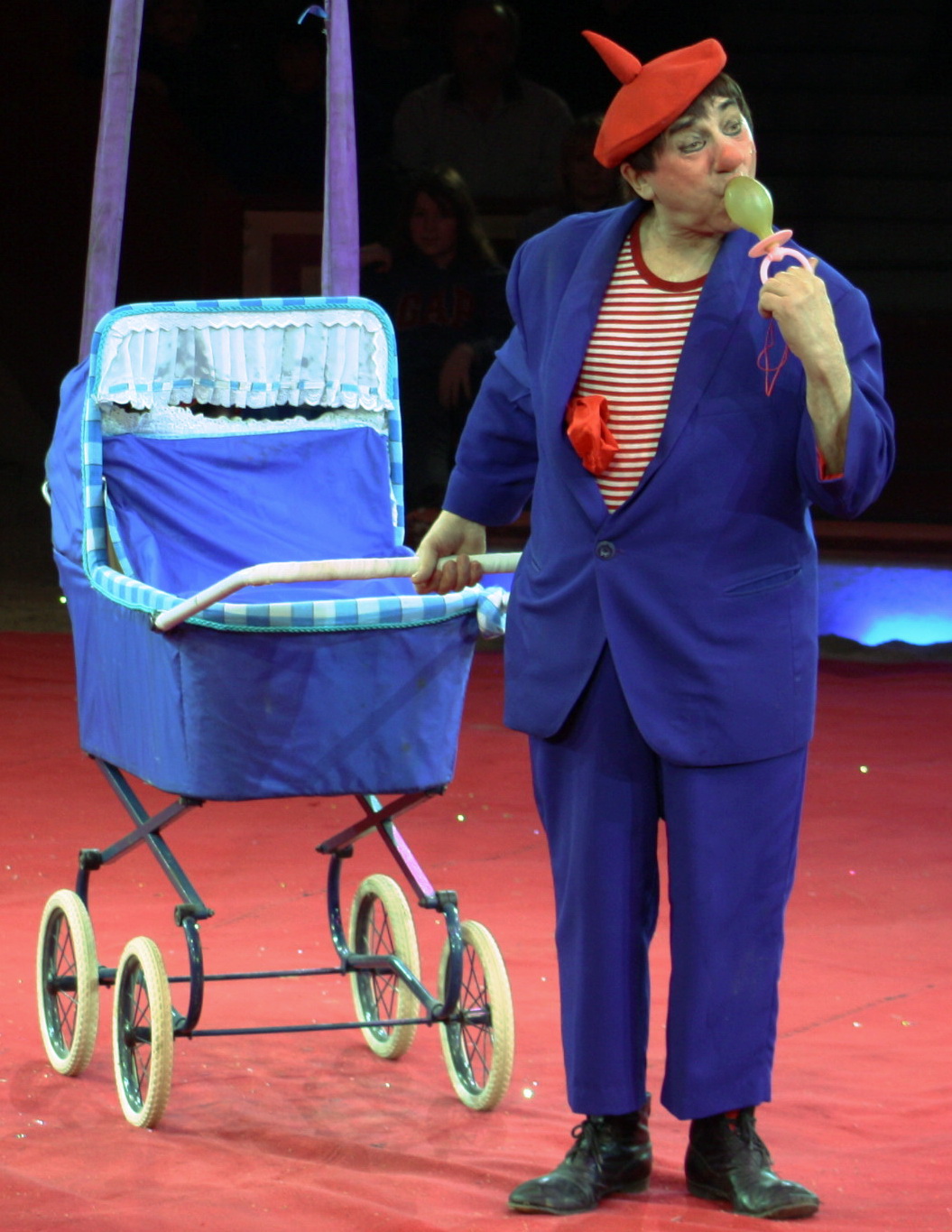
A clown with a red beret

Here we come again: Chávez and his amigos kept announcing supposed attempts against the life of the comandante-presidente every so few months. 
Somehow I missed this: María León, a deputy for the Chávez party, PSUV, declared in May at the Office of the Attorney General that there were plans to murder Chávez and other of the "revolutionary" grandes. The case is based on twitter accounts. This didn't make it to the first pages of Venezuelan newspapers, only to the secondary ones, which will be interpreted by the Boligarcs as yet another proof of the conspiracy against them.

Since Chávez came to power we kept hearing and reading about attempts against his life. Chávez officials and he himself call those attempts "magnicidios" because they are against someone who is ""magno", just like Alenxader the Great or Alejandro Magno. The announcements were legion but the most important ones kept popping up every third month or so. They stopped shortly before rumours of Chávez having cancer started to hit the news in Venezuela. Chávez suggested the US could be provoking cancer among Lula and all his president-friends but other than that, the magnicidio announcement stopped for a while while we had the soap opera of Chávez as the Phoenix. Chávez declared himself healed two months ago. Already in May I predicted we would start getting the announcements about magnicidios very soon and lo and behold: we had that shortly after I said it. But now they are so boring that they don't even make it to the first page of any Venezuelan newspaper that I follow.

Below I copied and pasted (in Spanish, I will later translate that) a selection of the "magnicidios" announced by Chavismo. I wonder: do you think the officials working with Obama or Merkel or anyone of those politicians keep announcing about similar tweets or other attempts against those politicians?

1999
Julio: Chávez declara que lo quieren matar en Puerto Ordaz (fuente Tal Cual contiene otras referencias más abajo)
Diciembre: Castro advierte a Chávez de plan de magnicidio en contra del militar de Barinas.

2000
Agosto: Se anuncia un complot de militares para asesinar a Chávez.

2001
Junio: Chávez anuncia planes para tratar de asesinarlo en celebraciones de la independencia.

2002
Octubre: Chávez anuncia intento de magnicidio en su contra.

2003
Julio: Chávez anuncia que lo tratan de matar en Los Próceres, Caracas.
Julio: Chávez denuncia que preparan su asesinato en Santo Domingo.
Noviembre: Supuesto caso de magnicidio se "descubre" en Puerto La Cruz, pero los "implicados" son puestos en libertad por falta de pruebas.

2004
Mayo: Chávez anuncia que colombianos de extrema derecha quieren matarlo. Mucha más información sobre todo el asunto puede ser leída aquí.

2005
Febrero: Chávez responsabiliza a EU por cualquier atentado en su contra.
Junio: Chávez dice que prepara respuesta a intento de magnicidio.

2006

Octubre: Chávez anuncia que unos meses antes se salvó de un atentado en el Zulia y que Bush tiene un plan para matarlo.

2007

Noviembre: Chávez acusa a CNN de incitar a su asesinato.
Diciembre: Chávez teme por su vida si va a Guatemala.

2008

Septiembre: Chávez teme por su vida en Venezuela.
Octubre: Chávez teme por su vida en El Salvador (cumbre Iberoamericana).

2009
Mayo: Chávez teme por su vida en El Salvador (de nuevo).
Junio: Chávez anuncia que desde Tachira preparan grupos paramilitares para matarlo.
Julio: Diputado oficialista Isea anuncia que se abre nueva investigación de intento de magnicidio en Zulia, Táchira y Mérida. Dice que "la comisión trabaja sin prisa pero sin pausa".
Agosto: El presidente vuelve a anunciar que la oposición tiene un nuevo plan para asesinarlo.


Aquí un artículo de la BBC del 2008 sobre los magnicidios.
Aquí hay un artículo en inglés sobre otros intentos.
Actualización:
Por lo visto me faltaba un artículo deTal Cual que pueden ver aquí donde aparecen más intentos de asesinato de Chávez.

2010Enero: Diputado Mario Isea dice que hay nuevos planes de magnicidio.

Noviembre: Hugo Chávez declara que la oposición tiene 100 millones de dólares para matarlo.

2011

Early 2011: Rumours about Chávez having cancer.
June 2011: CHAVEZ DECLARES TO HAVE CANCER!

2012


Early 2012: Chávez declares himself cured.

May: PSUV deputy María León denounces a new attempt against the life of Hugo Chávez and other "revolutionaries".


Thursday, 5 April 2012

Chávez, his death and the death of others

Chávez came back from Cuba, where he had his second radiotherapy round this year. He said it was fine. Instead of landing in Maiquetía, next to Caracas, he landed in Barinas, close to his home town.
Barinas, in Barinas

While going out of the plane he gave his condolences for Aguilarte, ex governor of Apure, who died after being shot during an assault a few days earlier. That politician had had to step down recently because of some fuzzy corruption accusations no one is clear about. Chávez also had to give his condolences for the recently deceased PSUV regional deputy Juan Carlos Figarella, who died of a respiratory arrest after he was assaulted as well.

What does the military caudillo say about both events? "These things happen". 

He keeps saying and twitting things like this:

"Allá vemos al General Presidente Raúl Castro! Gracias Fidel! Gracias Raúl! Gracias Cuba! Viviremos y Venceremos!"
There we see general president Raúl Castro! Thanks Fidel! Thanks Raúl! Thanks Cuba! We shall live and overcome!"

And all his fans repeat: we shall live and overcome.

What they don't realise is how often Chávez uses the first person plural.


Ps. Chávez also said he wanted to go very soon to Brazil. Can it be because he is looking for a better treatment than in Cuba?

Monday, 27 February 2012

Autocrat Chávez, pity and the election gambit

By analysing the following chart you can see how Chávez's disease can be "benefitial" to his campaign.

Henrique Capriles, the newly selected candidate for the alternative forces, is hardly known outside Venezuela by anyone but those a priori interested in Venezuela. Chávez is known by most kids in Belarus or Russia. It is natural Capriles has fewer twitter followers (over 600 thousand) than the military caudillo (who has about 2.6 million followers). Still, in the last couple of weeks Capriles started to get more followers per day than Chávez...until the day when the latter announced yet again that he had "a lesion where his cancer was". Now Chávez is capitalizing on the pity effect, as Duquenal documented.