Showing posts with label Venezuelan politics. Show all posts

Saturday, 5 December 2015

Revolutions and coups are not so much about freedom but about money

This chart shows the GDP growth of five Latin American countries and Norway since 1962. Notice a couple of things:


  • Costa Rica and Norway seem to be the countries that have a steadier growth and no big drops
  • Venezuela has the most dramatic rises and drops
  • Argentina follows with regards to variation


Now let's consider political turmoil.

Chile: Pinochet carried out his coup in 1973, when the GDP growth of Chile was of less than -4.

Argentina: there were coups in 66 and 76. The GDP growth of 66 was -0.66 and that of 76 -2.02.

Venezuela: there were two coups in 1992 and the coupster arrived to power in late 1998. There was a short-lived coup against him in 2002.

We don't have real figures about Venezuela's GDP growth for this year, only conjectures as the government stopped publishing most economic data since last year. Last year's GDP rate was -4% or worse and the one of this year is bound to be much worse than that. We don't know exactly how much but we know how desperate people are.

Will there be a coup? Unlikely. The military echelons have gone through several purges since 2002. A lot of the military personnel now, not only at the very top, are deeply involved in gangster activities. There can't be a coup as coups used to come. Still: the Chavista regime is aflutter. Tomorrow Venezuela has elections. The National Electoral Council has done and will continue doing anything it can to help the government and reduce the number of votes and, above all, of seats, the opposition can get. Still...


Wednesday, 18 June 2014

A new round in Venezuela's ministerial chairs: the Monk is gone (updated!)


Maduro does just as his "intellectual father" did: change ministers with incredible frequency. As Rory Carroll wrote in his book on Chávez, "the comandante went over 180 ministers in over a decade". 

Below you have an overview of the ministries as of  yesterday evening, 17 June 2014. Those with a diamond sign have military honchos as ministers. Other ministers might be like the minister of Tourism, Izarra, who is the son of a military and former coup monger, friend of Chávez, or former guerrillas who fought against democratic governments or related to a guerrilla aristocracy, like the minister of Energy, Boligarch Rafael Rodríguez.

Maduro has changed ministers once for those ministries in yellow. He has changed ministers twice for those ministries in blue. This is all since he produced his first cabinet in April 2013. That means those ministries in blue have seen three different ministers in fourteen months.

A very important event: Maduro demoted Jorge Giordani, aka The Monk, who...got no apparent position as an ambassador or at some institute so far. He also transformed the ministry of Planning into a vice-presidency. He appointed Menéndez for that position. The military Herbert Plaza, who was minister of Water and Air Transportation, became minister of Food. Things are not looking very bright on the food sector and Maduro thinks he can fix that without doing something about the economy. Menéndez was minister of University Education, so Maduro has to look for a replacement for him there and he found a guy called Jason Guzmán. Little is known about him.

Maduro took over many ministers from Chávez and some others he changed.

In the case of the Ministry for University Education we have this order since 2013:

Yadira Córdoba was the minister until Chávez died and Maduro replaced her as soon as he officially took office by Pedro Calzadilla, then Ricardo Menéndez and now Jason Guzmán.

In the case of Trade we have the following order since 2013:

Edmée Betanourt was the minister of Trade until Chávez died, then the job went to Alejandro Fleming, then to José Salamat Kahn and now it's in the hands of Dante Rivas.

Notice this: most key ministries but the one of oil are in the hands of military. That is the case for the ministry of Economy, the one of Interior, the ministry of Air & water transportation (control of airports and harbors), the ministry of Electricity (yes, that's key in Venezuela) and last but not least, the ministry of Food. The change we saw yesterday was from one military to another one there.

Wao: and Giordani writes a very long letter in Aporrea talking about his work. He breaks with Maduro and tries to justify what he did. There will be turmoil among the apparatchiks.


Thursday, 1 May 2014

The military, coups and Maduro's attention needs (updated)

Maduro announced some weeks ago three generals from the Air Forces had been detained for planning a coup. You can see the list of all generals here...it is easy to see how they might have been connected to quite a few of others out there. This is curious as the regime has been carrying out silent but clear purges since 2002. The diseased caudillo annointed virtually every higher rank official in Venezuela. And on 30 April Maduro announced he would tell Venezuelans on 2 May about a full list of people who have been detained in connection with this alleged new coup.  

The military - with that I mean mostly the officials - have largely benefitted from Chavismo. The higher they go in the ranks, the more likely you will see them involved with business deals for the import of weapons (Venezuela spends more on arms imports than Brazil), in all kinds of state projects. All of the key ministers of Maduro but one (PDVSA-energy) are military. A lot of the state governors are former coup mongers who helped Chávez during his bloody coup attempt or the coup attempt that came afterwards by Chávez's pals the same year of 1992.


Now the three main generals are


  • José Daniel Machillanda Díaz, born in 1966. This guy was responsible for the import of simulation systems for Defence at his position in VEXIMCA, a business created by the military for dealing with weapons imports.
  • Oswaldo Hernández Sánchez, born in 1961, was responsible for dealing with the finances for some military projects as stated in the resolution 15230 here.
  • Carlos Alberto Millán Yaguaracuto, born in  1961. He was involved in a trial some years ago. He didn't have a good reputation

All three military were made general in 2010. They were active in Aragua state.

We know Madurismo and before that Chavismo have made a tradition of announcing "magnicidios", attempts to assassinate the president. No proofs have come out of this. Still, if Maduro and his thugs are telling us there are  more and more people detained within the military for allegedly concocting a coup, things can't be that good for officialdom.

And Venezuela hasn't been officially declared in recession, even if we know we are just there.

Update: and yesterday the former coupster Rodríguez Torres accused several opposition politicians and students of trying to carry out a coup. Rodríguez Torres was responsible for the murder of several people during the Chávez coup attempt of 1992. He is currently the 13th minister for Interior and Justice Venezuela has seen under Chavismo rule...that is in 15 years.

Expect more repression with the continued decay of the economy.


Friday, 7 March 2014

Le Vénézuéla au Québec

Même au Canada on parle de plus en plus de nôtre pays. Voici une vidéo avec le professeur Claude Morin, plutôt sympathisant avec le régime, et le professeur Georges Bastin, qui est critique. Le professeur Bastin est d'origine belge mais il a vécu et travaillé longtemps au Vénézuéla. Il connais le pays comme sa poche.

En plus, un article du Devoir (aussi du Québec).

Thursday, 27 February 2014

Talking about Venezuela, on a map, on Twitter

The Argentinian newspaper La Nación published this map about who was discussing "Venezuela" on Twitter in the month of February. I reckon they included those who were using the Latin script only, but this is still interesting. I discovered this through the Twitter account of German journalist Alexandra Endres.


Friday, 30 August 2013

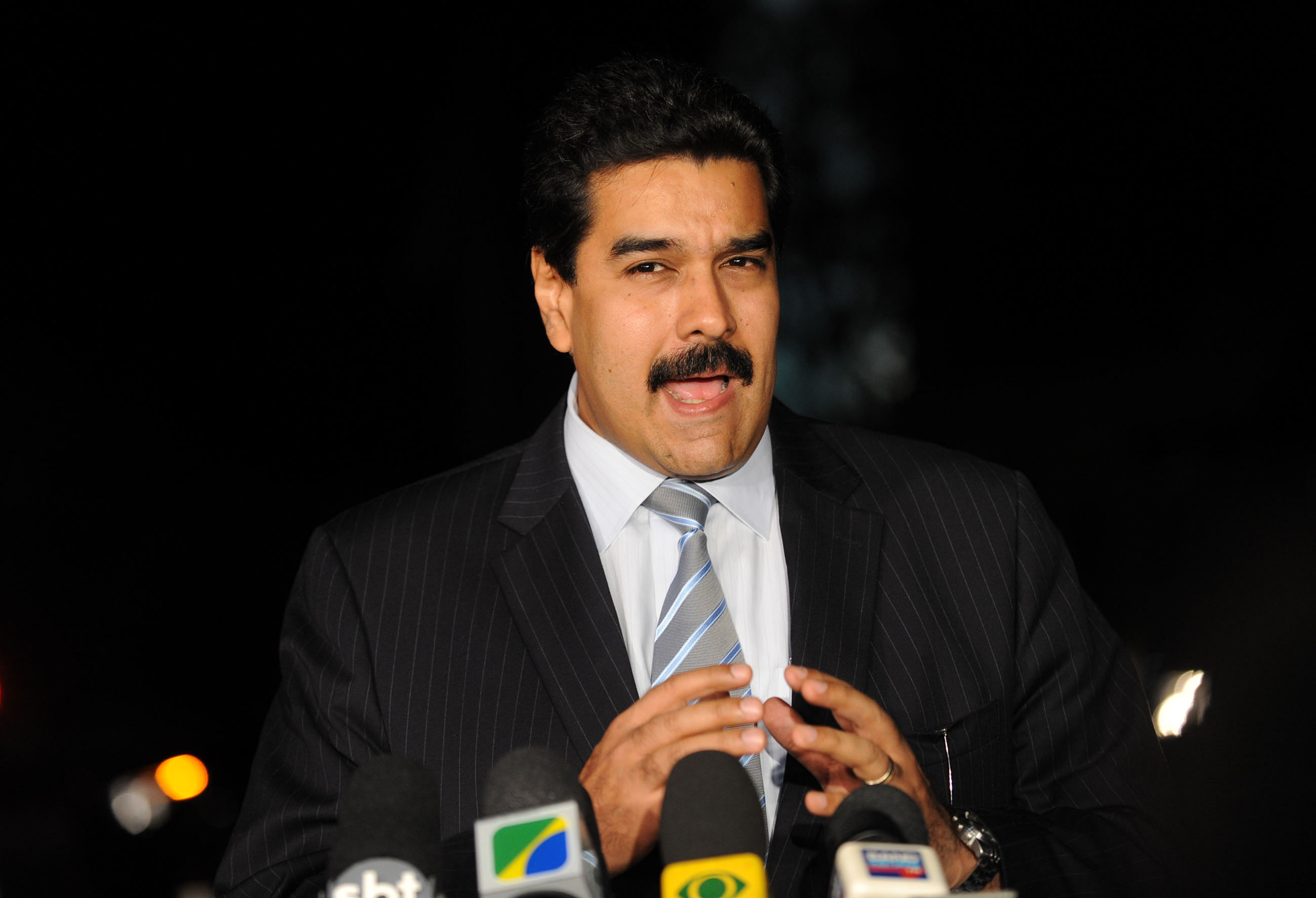
Moustache man (wasted so much time, but not Cake)


A lot of the Venezuelans with connections are spending so much money as always. Trips to Miami are fully booked. The government has some relief when it comes to its Alpha and Omega: world oil prices. After several months of a local minimum when the price of a barrel went under $100, last month it reached 107 dollars.
And yet we have still 

  • more shortages (the government declared a few months ago that after importing several tons of toilet paper the crisis was over, but people seem to keep doing their business and we do still have shortages of toilet paper, cooking oil, sugar, milk and a lot of other products
  • continuous blackouts outside Caracas (Caracas is kept safe for security reasons: that's where the centre of power is)
  • permanent deterioration of the health system
  • a dramatic crime situation 
The last item is a curious one: it does not affect the voting decision of people who are currently with the government or who are in the middle, the wobbly "nini's". I will venture to say they won't change their voting behaviour even if their children get murdered in front of their eyes. They simply do not seem to link an increase in crime with the government, even if the murder rate has more than tripled sine 1998. For them it's something beyond anyone's control. They also have little clue about the concept of "murder rate". It is not a concept you will read about in the Venezuelan media, anyway.

Talking about the media: few newspapers critical of Chavismo remain and they are threatened with closure as they don't get the dollars to buy paper for their printing (all that is imported)
Almost all criticism of the government has vanished from the TV channels now that Globovisión has been bought by regime people.
Capriles, the opposition leader, does not seem to be able to delegate. There is no shadow government and few opposition deputies seem to be very active touching special topics. The vast majority of deputies seem to be on permanent vacation, actually. And Capriles looks to some like a Jeremiah.

Everybody seems to be preparing for the municipal elections of next December.

The opposition has made several stupid choices, like leaving Maracaibo's opposition candidacy to Eveling Trejo yet again...just because she is the incumbent, because she is the wife of self-exiled UNT leader Rosales and because Zulia State seems to be the domain of UNT. The opposition also decided to let some dinosaurs run for mayor in the Llanos area. There is little chance the opposition will make some progress there. 

A good thing for the opposition is that Valencia, one of Venezuela's main cities, might -just might-- be recovered after 4 years: the Salas-Feo clan, which had monopolized opposition's decision making in Carabobo, had to step back after Feo lost in 2008's state elections. Back then the Salas-Feo sent a second candidate to compete for Valencia and the city was lost to the most incompetent person Valencianos could think about. Now the opposition has one candidate alone for the city. His name is Miguel Cocchiola, an entrepreneur who came from Italy when he was five years old. Unfortunately for the region, all major politicians in Carabobo seem to be businessmen with serious conflicts of interests. That also goes for the government's candidate to the same position, Miguel Flores. Rumours go he is making a fortune in the construction sector through several front men who are contractors for the Carabobo government (now in the hands of former military Ameliach, who sees Flores as his right hand).

Nobody on top will listen to him while there are enough dollars. Those at the bottom won't be able to hear anyway

The Maduro government is behaving more obstreperous than ever. But this does not mean it is so confident. It is, indeed, aflutter. One of the main issues is scarcity. Inflation is also playing a role.


Tuesday, 13 August 2013

Venezuela in den Augen einer deutschen Dichterin (updated)


Eine deutsche Dichterin, Xóchil A. Schütz, war vor kurzem in meinem Land. Sie hat folgenden Bericht darüber geschrieben. Es ist ihr sehr gut gelungen, die Lage Venezuelas zu beschreiben, insbesondere die Gehirnwäsche, die Abwesenheit einer wirklichen Debate, die Stimmung.

Hier könnt Ihr ihren Bericht  lesen.

Es lohnt sich. 

Dieses Bild kommt aus der Site "Chavez.org"...

Wednesday, 24 April 2013

Chavismo going berserk

A lot of people are doubting more and more the legitimacy of Chavismo. The country is experiencing a murder rate more than three times what it had when Chavismo came to power. Inflation is the highest in the hemisphere. Corruption is rampant. And people saw how Chavismo used state resources on a massive scale to mobilize voters and how it threatened whoever was receiving social benefits less they didn't vote for Chávez's Anointed One, Maduro.

Maduro can hardly speak. It's not that he cannot speak according to the standards expected from formal education. He cannot speak like my illiterate but vocal grandmother or like the average functionary or farmer or whatever. Even his tweets, which are probably spelled-checked by someone else, are full of punctuation errors. They often look as if they had been written by a 7-year old.

And Chavismo is unsure. Maduro is now repeating Chávez mantra about assasination attempts. He and the apparatchiks repeat ad nauseam the usual extreme left view that all their enemies are "fascists". High ranking government officials declare public employees who become "belligerent" - you can be so by simply expressing your political views or by being part of an opposition party - will be sacked.

The minister of "the popular power for Prison Affairs", Iris Valera, stated that opposition leader Henrique Capriles will end up in jail. Neither the Judiciary nor any other public institution will call her to order. San Diego mayor Scarano is being prosecuted at this moment. Lara governor Henry Falcón is receiving threats all the time. Chavismo will now financially choke the local opposition governments.

As Miguel wrote, Maduro is an insecure man who doesn't dare to change the government put up by his mentor.

The National Electoral Council (CNE) must replace three of its board members by 29 April, that's the law. One of those them is the only one who was not a puppet to the current government. The other two are rabid Chavismo implementers. They were even official PSUV directors who just stepped down from their function at the PSUV and officially "unregistered" from the party in order to "prove" they could be neutral arbiters within the CNE. Of course they never did anything but protect the government. Their replacements will need to be approved by two thirds of the National Assembly, but Chavismo does not have such a majority. Chances are Chavismo won't be willing to discuss anything with the opposition. The puppet National Electoral Council has declared the auditing it promised won't include the actual counting of paper ballots, which shows paper trail is actually worthless, even if useful idiots of Chavismo abroad kept saying this system was specially valid because of that paper trail.

Now everyone knows that at least half the population is against this government and chances are many more will turn against it. We have thought pot-banging was a little bit pointless, just catharsis. But we get reports that pots have been banged a lot in places such as 23 de Enero and Los Guayos, very pro-Chavismo regions.

We are living dangerous times. Russian weapon dealers have earned billions with Chavismo. Almost every single South American country and several Caribbean and Central American countries have developed a healthy trade surplus with Venezuela, which has a highly overvalued currency and a government completely against its own private sector. They are very happy with things as they are now: money trumps everything for them. The Cuban security service has infiltrated Venezuela. But only oil has kept this government in place. And oil prices, although still high, do not keep rising.

The opposition feels more sure of itself, but it needs to be very cautious. The government is made up of dangerous people who have a lot to fear for the way they misused power.

Thursday, 14 March 2013

Venezuela is really sick: deaths on the road


It is simply amazing how Venezuelans as a whole and the government in particular manage to get so many things wrong. 

In the chart above you can see the chart of deaths on the road per 100,000 inhabitants for South American countries according to the latest WHO report. You won't see this kind of chart in Venezuelan newspapers because somehow journalists in my country think Venezuelans are idiots and can't read such a simple chart.

Now some useful idiots abroad will say: "the high death rate is because Venezuela is becoming so prosperous" or, alternatively, "it's because Venezuela hasn't arrived to the socialist stage just yet".

As an extra reference, here the rates for other countries outside South America:


Germany 4.7
Spain 5.4
Italy 7.2
USA 11.4
Portugal 11.8
Mexico 14.7
and at the very top, along Venezuela:


Nigeria 33.7
Iran 34.1
Thailand 38.1
Dominican Republic 41.7

Only Thailand and the much smaller Dominican Republic have worse rates (and Niue, but that is statistically meaningless)


Monday, 7 January 2013

Venezuela: what people get wrong


Here I will write about a couple of items in which I tend to disagree with some analysts.


  1. The Cabello-Maduro rivalry might be a source of tension for Chavismo after Chávez has passed away: I think this rivalry does exist and conflicts between their interest groups are important but Realpolitik will prevail. Cabello is smart enough to recognise most people - not the most powerful but most people - simply distrust him and the powerful know this. The rumours about his kleptocratic  tendencies are too well-established for him to try to grab power, especially after the caudillo himself anointed Maduro as his successor. Cabello already has what he needs, which is access to power and financial resources. He doesn't need the presidency, at least not in the short or middle term.
  2. The international community will sooner than later become outraged at the increase in violations of democratic values in Venezuela and pressurize the regime: this won't happen. The government of virtually all Latin American countries, the only ones that could put some pressure without being considered "imperialistic",  are not interested in annoying the Chávez regime in the least: almost all of Venezuela's "fellow-countries" have now a nice trade surplus with Venezuela. That was not the case before Chávez came to power, when Venezuelan companies could compete at least in some areas.
  3. Chavismo will have to introduce drastic economic measures very soon: It should, but it won't as long as there are some elections in the horizon. The regime may even postpone any measures for much longer than many expect even if this means more damage to Venezuela's long term recovery. Power trumps everything else for Chavismo. Chávez officials simply cannot afford to lose power. They would be prosecuted for all kinds of crimes. So: the Venezuelan government is likely to sell anything to any other country just to gain some time with some extra cash.
Three tragic developments I see within the opposition:

  1. It keeps reacting to Chavismo; it has forgotten the need to be pro-active.
  2. It does not understand there is an urgent need to educate the general population on some basic issues, like the real amount of people's money that is being stolen, the forces that are stealing them, the way in which Venezuela is lagging behind accountability, level of debate, education and last but not least, sustainable development in general. The opposition thinks it can talk about these issues later on, that there is no time now...The problem is that there has never been time for this since 1999...there is never time if you only think of the next elections. Chavistas are seeing to it we have some travesty of elections every year.
  3. Not with Henry Ramos Allup
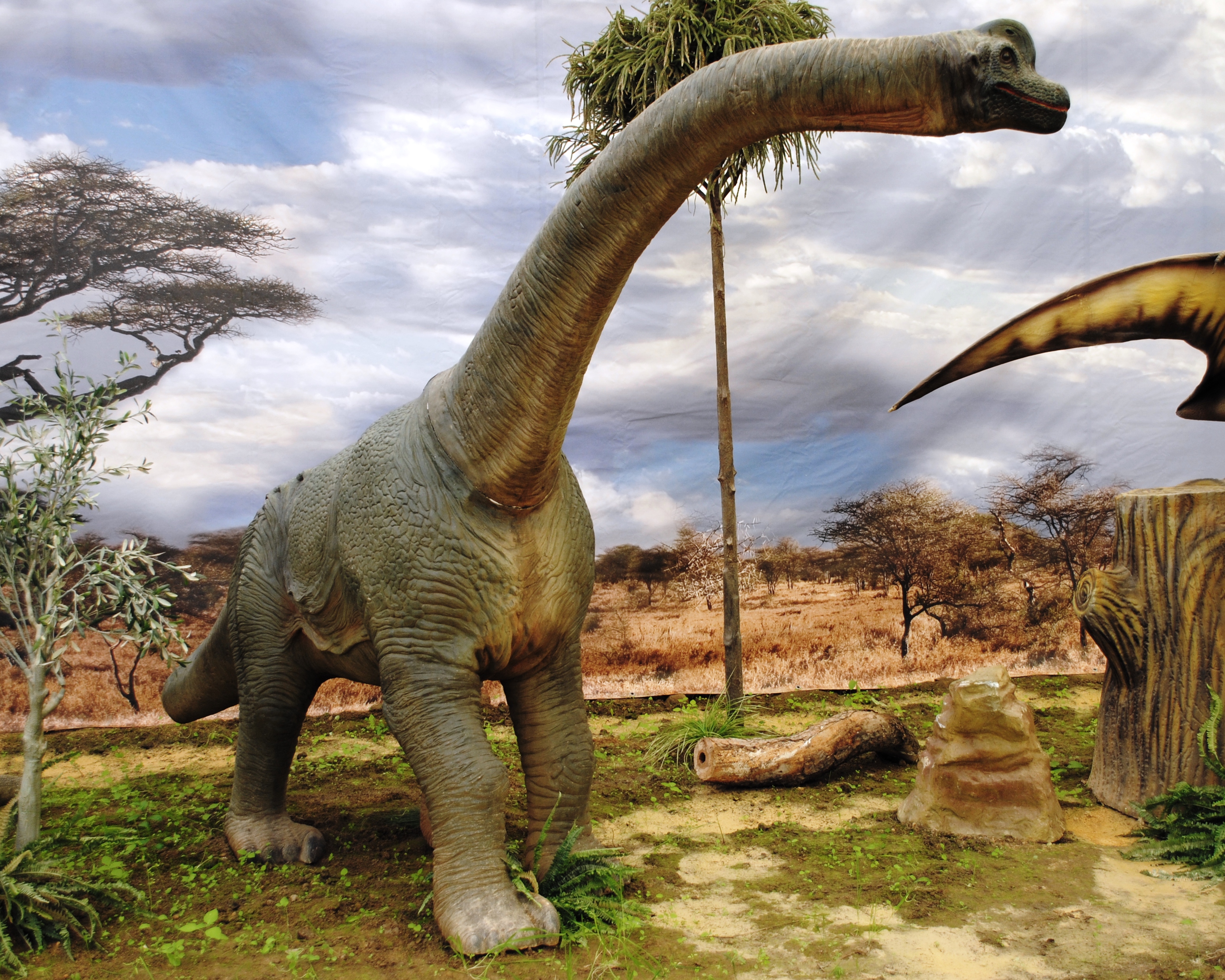
    Nor with a young Brachiosaurus
  4. Artists and scientists, intellectuals in general who oppose the regime do that only on their own account, they never sign a general petition or do something together. I think of such people as Gabriela Montero, Yordano, Zapata, many other artists and scientists who clearly dislike the current government. This is partly justified as many of them would be horrified - I would - if they signed something that later would also include the signature of such a creature as Allup or some other IV Republic dinosaur. We need to create a movement that clearly excludes dinosaurs, that is not in competition with the MUD but simply does the job that intellectuals in other countries did when it came to challenging autocracies. 

Saturday, 5 January 2013

Neue Spiele im venezolanischen Kolloseum (aktualisiert)


Neues:

Der Leutnant Diosdado Cabello wird allem Anschein nach Präsident der Nationalversammlung werden. Alle anderen Vorsitzenden der verschiedenen Arbeitsgruppen werden der Sozialistisches Einheitspartei Venezuelas, von der Chávez-Partei, angehören.
______________________________


Heute wird der erste Arbeitstag der venezolanischen Nationalversammlung stattfinden. Heute muss man den Präsidenten dieses Organs und die Leiter verschiedener Arbeitsgruppen auswählen. Da der nationale Wahlrat von Chávez-Anhängern beherrscht wird, da das Obergericht von Frau Morales geleitet wird, von einer Frau, die Gewaltteilung für schädlich hält und Chávez völlig treu ist, konnten im Jahr 2010 die Chávez-Abgeordneten durch verfassungswidriges Gerrymandering mit nur 48% gegen 52% fast 60% der Sitze bekommen.


Und so werden sie heute die treuesten Chávez-Anhänger für alle offenen Stellen auswählen.

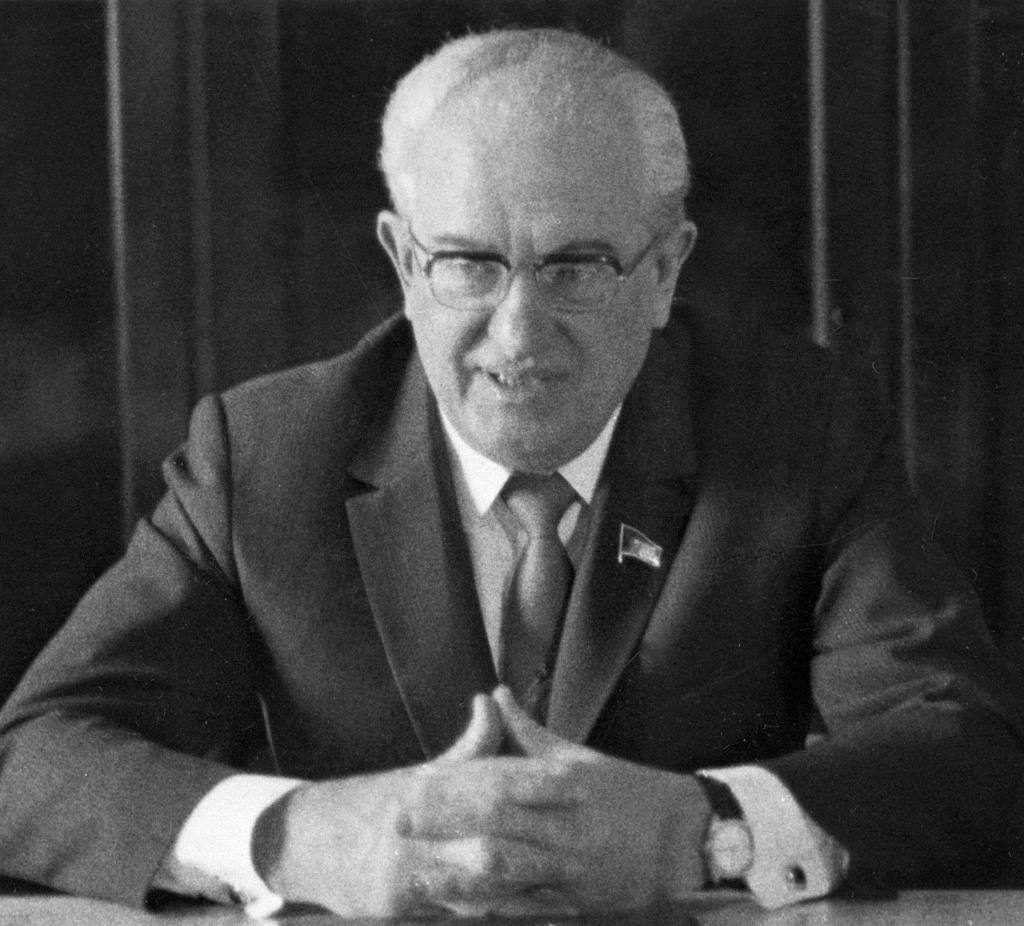
Man wird in der Nationalversammlung auch "diskutieren", ob der seit Dezember nicht mehr gesehene Chávez immer noch der Präsident ist oder ob es ein politisches Vakuum gibt. Natürlich regiert Chávez immer noch, so wie Andropow es früher tat...monatelang, auch wenn er nicht mehr gesehen wird.

Die venezolanische Verfassung von 1999 ist alles andere als gut verfasst. Es ist nicht so sehr, dass bestimmte Begriffe nicht gut erklärt wurden - das kommt mal häufig vor-, sondern vielmehr, dass die Syntax übrig zu wünschen lässt. Ein Absatz sagt, dass der Präsident für den Anfang einer Legislaturperiode am 10.1 vor der Nationalversammlung auftreten muss oder, wenn er das nicht kann, vor dem Obergericht. Die Chávez-Bonzen interpretieren dies so: wenn der Präsident das vor dem Obergericht tut, gilt kein Termin, er kann das tun, wenn er will: heute, morgen, in zwei Monaten, wann auch immer.

Man weiss aber nicht, ob Chávez jemals stehen, ob er in einigen Wochen sterben oder wie der Phönix aus der Asche wieder erstehen wird. Die Chávez-Bonzen und vor allem die kubanische Regierung hält Chávez völlig isoliert in Havanna.

Viele unter der Opposition meinen, es könnte ein Machtkampf zwischen dem kubafreundlichen Maduro und dem Militär Cabello ausbrechen. Das glaube ich nicht. Cabello ist schlau genug, um zu wissen, dass die gesamte Bevölkerung ihn misstraut. Cabello weiss, dass man nicht nur als Präsident viel Macht haben kann. Deswegen ist es wahrscheinlich, dass er weiter als Präsident der Nationalversammlung fungieren wird, wohl wissend, dass er dann gar nicht für die Stelle als Präsident des Landes kandidieren darf. Wenn die Chavistas Chávez irgendwann dieses Jahr für tot erklären würden, würde er dann der amtierende Präsident bis zu den nächsten Wahlen sein. Und Maduro würde der Kandidat sein, um Chávez zu ersetzen, so wie der Führer selbst das wollte. Cabello hat kurz- bis mittelfristig keine Chance, Präsident des Landes zu werden. Man könnte auch Frau Eekhout als Präsidentin wählen. Sie ist völlig treu und wird  nicht so deutlich mit Plutokratie assoziert wie die Abgeordnete Cilia Flores, Maduros Frau.

Auf jeden Fall wird diese Session wieder ein Show sein. Die Fernsehteams des Nationalsenders VTV werden nur das zeigen, was für die Regierung günstig ist. Sie werden auch zeigen, wie die Oppositionsabgeordneten lauter Landesverräter und Schurken sind, die mit den USA in Verbindung sind, um gegen den Willen des Volkes zu agieren.

Noch was: manche Leute denken, die Nationalregierung wird endlich manche Massnahmen treffen müssen, damit das Land sich nicht weiter verschuldet und die schon sehr schwache nationale Industrie und Landwirtschaft sich herstellen können. Man sagt, sie müssen das sehr bald tun. Meiner Meinung nach werden sie die nötigen Massnahmen immer wieder verschieben, auch wenn das für das Land mittel- bis langfristig schrecklich herausstellen wird. Die Nationalregierung wird lieber jetzt weitere Erdölverträge mit China, Russland und anderen Ländern zu für Venezuela ungünstigen Bedingungen schliessen, weitere Schulden machen, als an Popularität verlieren. Damit werden die Chávez-Bonzen mehr Macht an sich reiißen und sich so für die Zeit danach vorbereiten.


Wednesday, 2 January 2013

Venezuela: the Threshold


I was a child when Brezhnev died. I was fascinated by Russia and thus I used to read and listen to anything coming from the Soviet Union. I remember how I would try to read between the lines what the Soviets were saying and used to compare that to what US Americans, Russians in exile and others were saying.

Consider this:

Brezhnev was ill for years but his situation became really grim at the start of 1982. He refused to relinquished power until he died of a heart attack 10 November of the same year.

The Soviets elected Andropov right away. His term in power was very brief. He was elected on 12 November of the same year, suffered total renal failure in February of the next year and in August he had to be kept in a clinic from where he never left. The ones around Andropov had a facsimile of a signature attached to all documents that Andropov was supposed to sign. He died in February of 1983.

Chernenko came to power 11 April 1983. He was already ill, so ill people could hardly hear what he said during Andropov's funeral. Early in 1984 he had to be hospitalized for a month but kept working. Then he was so ill that his people did the same they had done with Andropov: fake his signature.

He died 10 March. Only then did the citizens of the USSR really understand how bad his situation had been.

Chavismo is hardly an ideology, even if it uses tactics and symbols of authoritarian socialism and communism. It's just petro-caudillismo with a stronger military stench as before, riding on the longest oil-price boom - I'd rather say oil price and not oil as oil price and feudal mentality are the keys to a lot of Venezuela's ills.

Chavismo is in a quagmire: what to do without Chávez? While Lenin was alive, no one and definitely not Lenin, were talking about "Leninism" in the USSR. When Stalin ruled, "Stalinism" was never a word used by the government or officially tolerated by the Soviet regime. They talked about Marxism or Marxism-Leninism. When Stalin died, "Stalinism" didn't become a good word in the Soviet Union. That was for the strictest useful idiots abroad. They kept talking about Marxism or Marxism-Leninism or simply communism. Outside the Soviet Union hippy commies did talk about all kinds of big-guy-isms. 

The Soviets had strong cults of personality, but there was at least some real structural and ideological transformation going on in the country.

In Venezuela we only got more petrodollar-driven clientelism and even less accountability than before. We got the revival of a completely irrational cult around Bolívar and the military.

Some clever Chávez oligarchs know that. And they are worried.


Sunday, 30 December 2012

Dem Chávez geht es sehr schlecht


In wenigen Minuten wird Maduro, der von Chávez Auserwählte, aus Havanna an das venezolanische Volk und an uns, "unwürdige Landesverräter", wenden, um eine Nachricht zu geben. Er war vor kurzem wieder nach Kuba geflogen, um mit dem kranken Caudillo zu sprechen.

Wahlen?

Der Führer hat mir den Auftrag gegeben...

Rory Carroll and the Comandante

Rory Carroll, a journalist from The Guardian, came to Venezuela in 2006. He had been working in Iraq for some time until he got kidnapped by Shiah militiamen. Before Iraq he was correspondent in several European countries, in the Middle East, in Afghanistan, in Pakistan and for many years in Africa. He probably thought Venezuela would be easier to report about. He was in for some surprises. He had just come to the region where the myth of El Dorado was born.

Shortly after his arrival, Rory went to an Aló Presidente, one of those shows where Chávez would be talking for hours and hours. Unexpectedly, Rory became the centre of attention on national TV for an hour or so: Chávez wanted a question from him. Rory asked what he thought was a simple question and he got a hell of a Chávez answer.
A different view on Venezuela

Quite a lot of people, whether left or right, have no interest whatsoever in learning about how things are in a given place but how things fit in their scheme of ideas. The Guardian is a left newspaper or rather tends to be on the left and thus there were quite some readers shocked by what Rory was reporting. But criticism also came from the right - a lot. Rory had to deal with the great challenge of explaining Venezuela in the times of Chávez. On one side there are the right-winged fundamentalists or just embittered Chávez haters. On the other side there is the legio-n of people who wanted by all means to see Chávez as the saviour that would finally come from the oppressed nations. 

One of the most difficult parts about explaining Venezuela is that you do have to explain a lot of economic stuff and most people do not give a damn about that. Most people, in fact, have a very short attention span, specially in politics. I believe he did an excellent job. He went to places all around Venezuela. He listened to both sides. To all sides. He analysed lots of material, including stuff most journalists don't want to deal with. This year Rory moved to the States to report mostly but not exclusively about our gringo neighbours. 

Fortunately, he has just written a book about Venezuela under Chávez. The book will come out of press next March. If you want to have a better understanding of what Venezuela has been about, go for it.


Thursday, 6 December 2012

Chavez-o-Metre


I started two polls: one for Venezuelan citizens and the other for non-Venezuelan citizens.

Give us your gut feeling. What do you think is going on?

The caudillo won't be going to the Mercosur Summit on Friday. Miguel was saying Chavista honchos are trying to keep Chávez safe and quiet until 10 January, when he will have to go to the National Assembly to formally start his new term.

Me? I haven't got a clue. I wait. I think we need to have plan A, B and C for any of the possible scenarios awaiting us in the Land of Grace. One of the problems with the opposition is that it keeps betting or waiting for X or Y to happen, without any elaborate plan. And we should know better: en Venezuela todo puede pasar.


Tuesday, 27 November 2012

Do you read Spanish?


Read this

Perhaps they shake him up a wee bit for another round.

The show must go on.

Wednesday, 17 October 2012

Questions I have


Ladies and gentlemen,

I have a few questions.

  • What happened to the US American citizen who was detained in Venezuela, accused by Hugo I of being a secret agent on a quest to destabilize the country?
  • Why doesn't the opposition demand the appointment of a new comptroller over a year after the last one died?
  • Why did the Universidad Católica team say there are very few corrupted registries at the Venezuelan Electoral Council's database and it assumes the obvious cases already discovered are the only cases there are and there is no point in a proper cleaning-up of electoral registries? Is there some true about infiltration within the MUD or is this the only case in history where infiltration is impossible?
  • Why was really Rocío San Miguel's sister detained a couple of months ago?


Saturday, 26 May 2012

Southern Portuguesa

Portuguesa is one of our Llanos states. Portuguesa, obviously, literally means Portuguese (woman) and the first location in that region to get the name was the Portuguesa River. Legend tells us that river was named after a Portuguese lady drowned there during the Conquista. From history we know some of the first Europeans in the area were indeed Portuguese coming with the Spanish flow of conquistadores and settlers.
Before them the very first Europeans to see the place were the German Welser and their Spanish soldiers, who ventured into this area around 1530...and were very sorry to do so. It is a tough terrain with tropical diseases galore and the troops died like flies. The region is an extremely hot area, flooded during the rainy season and sun-baked in the dry months. There were few native Americans here compared to  other regions like the coast or the Andes. The ones living here were mostly Guamos and some other groups, mostly hunter-gatherers: the Llanos back then not being the best place for agriculture.

The Southernmost municipalities there are Papelón and Guanarito. 


Both municipios together make up about 33000 of the 17 million voters Venezuela had back in 2010. The combined area is around the size of Norfolk but with less than a tenth of Norfolk's population - the density is 6 and 11 pop/km2 for each municipality. This area is Llanos 100%: flat as it goes, with a lot of rivers - the Portuguesa being the one with the strongest flow. All rivers flow towards the Orinoco, one way or the other. 

Most of the land is owned by the State or by a few landowners. A lot of small farmers live in state land with  no property rights - sort of feudal style but with the right to move. 

Capibaras, excellent swimmers and tasty...Spaniards declared they were fish so that they could eat them on Friday and Eastern time
Collared peccary, looks like a wild boar but it belongs to a different genus
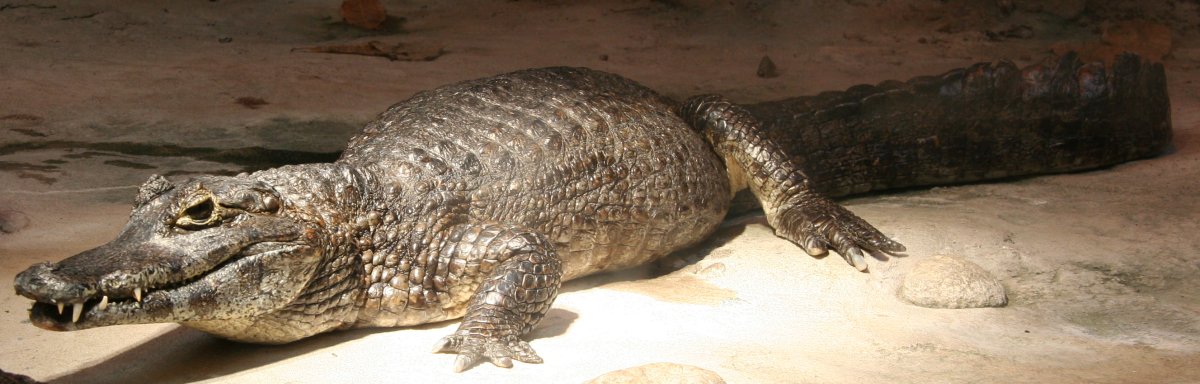
This is a cayman, a different genus from the gringo alligators and much so from the Nile crocodile

In the last parliament elections in 2010, candidates for the Chávez party got around 64.76% against 31.54% for the MUD in the first municipality and 63.88% to 32.89% in the second one. Portuguesa in general in one of the most pro-Chávez states of Venezuela. You won't find people there reading national newspapers but Últimas Noticias. Internet coverage is well below the 39% that is supposed to be the national penetration. Very few in Southern Portuguesa have access to radio or cable TV, so they won't hear any criticism on their radios or TV sets.

In the 2008 elections the candidate to the post of mayor for the MUD did not even get second or third place in Papelón, just fourth, with 3.9% of the votes. In Guanarito the candidate for the Chávez party won with 65.75% and the opposition didn't do as badly, just very bad, even if in this case it was split between different candidates. The old parties that used to dominate the area there, AD and COPEI, are  represented by dinosaurs and new parties such as PJ and UNT haven't got a presence there. The national  representatives of those parties hadn't learnt how to send customized messages to such regions. They still don't understand those regions need to hear about their specific projects for Guanarito, for Papelón, not for "Venezuela". This is curious: the new opposition parties are very keen on decentralisation but they haven't spent the time to customize their messages for each region. To do that they need knowledge about those regions. Right now they send a central message, one that is way too abstract for those regions.

This April the major of Guanarito, Villalba, was jailed for corruption. Some people in the region said the PSUV got very nervous with the level of corruption there but Villalba is just small fish. Almost no one elsewhere in Venezuela knows about this.

Sunday, 13 May 2012

ADVLATOR MAXIMVS

I asked you to tell me who you thought the greatest sycophants among Chávez's minions were.
The poll allowed for multiple selection.
Adulator maximus

And this is what you voted for:


Clearly, the former military coup-monger Diosdado Cabello comes first. Then we have former bus driver and current minister of foreign affairs Nicolás Maduro (my grandparents were farmers but then they didn't tried to deal with international relations or drive a bus). On third place we get notorious police officer Freddy Bernal. I agree with most choices but for Maduro. I think Maduro honestly loves Chávez. He is thus not really a sycophant but a true puppet. Most of the others are more on the profiteering side.

I put in green those who were military or whose dad was a military coupster (Izarra). I didn't put Adán Chávez on the  list because we know: familia es familia. This is about pure sycophants.

If Chávez really is healthy again (there are many who think he never was ill, something foreign journos dismiss as outrageous conspiracy theory), the whole discussion about a dauphin or dauphine becomes moot. Else, this is the list to watch, plus Chávez's daughters.


Saturday, 24 March 2012

Was wird in Venezuela geschehen?

Krebs - wir wissen aber nicht, was für eine Art

KREBS

Präsidentschaftswahlen sind für Oktober angesetzt. Es geht um alles...für die russischen Rüstungsmagnaten, für die Chávez-Bonzen, für den Chávezclan, für die Castro-Regierung, für die Nicaragua-Regierung und so denken auch mehrere Millionen Chávez-Fans, die Gläubigen. Chávez ist krank. Er hat Krebs. Er hatte lange Zeit gesagt, der Krebs sei besiegt worden. Später musste er gestehen, dass ein Tumor wieder erschienen ist. Er musste sich - auf Kuba, selbstverständlich - operieren lassen. Nun unterzieht er sich einer Radiotherapie und das nicht zum ersten Mal. Die Chávez-Bonzen sind nervös, denn sie wissen, dass nur der Führer Chávez - el comandante-presidente, wie sie sagen - die Wahlen gewinnen kann. Ob Chávez eine ernste Krebsart hat oder nicht wissen wir nicht. Wir stellen Hypothesen. Wie Rory Carroll schrieb, sind viele Venezolaner zu Amateuronkologen mutiert.

SCHON WIEDER EIN LANDESVERRÄTER UND DER NACKTE KÖNIG

Der Gouverneur des Ost-Llanos-Bundesstaates Monagas, Briceño, hatte die Reaktion der Regierung auf die Ölpest in seiner Region kritisiert. Die Kritik galt vorwiegend den Militär und ehemaligen Putschist Diosdado Cabello, der zur Zeit Vorsitzender der Nationalversammlung und einer der mächtigsten PSUV-Männer ist, auch wenn er von der Bevölkerung nicht besonders gemocht ist. Dieser liess sich das nicht gefallen und siehe: Briceño wurde von der Sozialistische Einheitspartei Venezuelas ausgeschlossen. Der Gouverneur wollte nicht, dass mit Erdöl verseuchtes Wasser aus einem Damm an die Bevölkerung seiner Region verteilt wurde. Chávez sagte, der Gouverneur sei ein Verräter und das Wasser trinkbar. Er sagte auch, dass der Obergerichtshof - eine Marionette des Caudillos - die Opposition untersuchen musste, weil sie öffentlich sagte, das Wasser nicht nur Monagas, sondern auch anderer Regionen wie Carabobo und Aragua sei stark unrein. Ein Gericht hat prompt reagiert und gesagt, dass es verboten ist, ohne technische Studie zu behaupten, dass das Wasser verseucht ist. Die Staatsanwältin sagte auch das. Das Problem ist, dass es schon seit langem Berichte gibt - u.a. von unseren Universitäten - über die Verseuchung des Wassers in vielen Regionen (siehe zB hier). Diese Verseuchung ist entstanden, weil 1) die Staatsbehörden immer inkompetenter sind, 2) sie in bestimmten Fällen wie im Bundesstaat Carabobo Umleitungen verseuchter Gewässer in Trinkwasserreservoir vorgenommen haben, 3) sie die Entstehung zahlreicher Slums in der Nähe der Wasserspeicher zugelassen haben - sie konnten den unzähligen Obdachlosen der 1999-Katastrophe keine Wohnungen anbieten, sie haben keine Ahnung von Wohnungsbau.

Man braucht nur den Wasserhahn in Valencia oder Maracay zu drehen, um feststellen zu können, dass das Wasser verseucht ist: es hat eine gelbliche Färbung und es stinkt sehr stark. Und dennoch kann man in Twitter Kommentare unzähliger Chávez-Anhänger lesen, die behaupten, alles sei Lug und Trug der Landesverräter. Diese Chávez-Anhänger sind meistens nicht in Valencia oder Maracay, die schweigen nun.

Wie lange kann der König splitternackt herumspazieren?
Solange die Petrodollars reichen, wird keiner es gestehen wollen

In Venezuela solange es Petrodollars für die Militärs und genügend chinesische Kühlschränke und kleine Pseudojobs für Tausende Menschen zu verteilen gibt...in Venezuela solange der Wahlrat ganz klar unter der Kontrolle der Nationalregierung ist. Auch wenn Unzählige die Wahrheit sagen würden, wird die Hälfte der Bevölkerung nicht agieren. Das haben wir schon oft in der Geschichte gesehen.

Chávez ist krank...wie krank er ist: das wissen wir nicht. Er wird zumindest eine Weile nicht viel rumreisen können. Trotztdem wird er Staatsmittel in vollen Zügen benutzen, um seine Botschaften zu übermitteln. Für die deutschen Leser einige Beispiele der Chávez-Aussagen in den letzten Tagen:

Über den Gouverneur Briceño sagte Chávez schon wieder
Über eine von der Regierung organisierte Kundgebung:
"dies ist die beste Antwort, das Volk auf der Strasse, die Revolution auf der Strasse, die Volksmacht auf der Strasse, überall...die Verräter sollten lieben weggehen, diese fünfte Kolonne sollte lieber weggehen, wir brauchen sie nicht...sie werden am 7.10 gegen uns nicht können, 10 Millionen Stimmen werden wir den Schwächlingen (escuálidos) und Minderwertigen (majunches) durch die Kehle verschlucken lassen".


MEINE GLASKUGEL


Ich bin kein Zauberer. Dennoch wage ich swieder, einige Prognosen hier zur Verfügung zu stellen.

  • April: Die Nationalregierung wird alles unternehmen, um neue Wähler in Regionen wie Yaracuy, Trujillo, Sucre und Portuguesa einschreiben zu lassen, während sie die Registrierungszeiten für junge Leute in Valencia und in anderen von der Opposition dominierten Regionen weiter beschränken will.
  • Mai: Angriffe gegen Oppositionskundgebungen in den sekundären Städten werden zunehmen.
  • Juni: Der Obergerichtshof wird gegen die Opposition irgendetwas unternehmen. Wieso? Was? Egal, die Chávez-Richter werden immer ein- und auffälliger werden und seltsamere Ausreden erfinden, um Oppositionspolitiker zu neutralisieren. Sie werden wohl nicht wagen, Capriles einfach so aus dem Rennen auszuschliessen. Das ginge zu weit.
  • Juli: Chávez wird dann anfangen müssen, die Provinzen zu besuchen. Wenn das Ende Juli nicht geschieht, werden Menschen - auch Chávez-Anhänger- Fragen über seine Überlebenschangen stellen.
  • August: Dann wird die Nationalregierung massal chinesische Wagen unter Marktpreis verkaufen - Waren, die durch Darlehen für langfristige, für Venezuela ungünstige Erdölabkommen mit China  erworben wurden. Die Regierung wird zunehmend einige dieser Waren einfach schenken.
  • September: Die Chávezjournalisten werden einige Skandale über die Opposition entdeckt haben.