Showing posts with label birds of Venezuela. Show all posts

Thursday, 3 April 2014

She loves maize


The Oriole Blackbird or, in the language of God, maicero, is bird from the Icteridae family. As you can hint from its name, you can find it lingering around maize trees...but also in moist swamps, forests, shrubland. It is a frequent sight in Venezuela.

Monday, 13 May 2013

Here comes the sun


The Aratinga solstitialis or sun parakeet lives in Southern Venezuela, the Guyanas and Brazil. It is an endangered species, with stupid people catching it for the pet trade and destroying its habitat.


This bird should live in the wonderful Amazon region, not elsewhere.


Wednesday, 22 August 2012

Green as green goes


I grew up watching the green-rumped parrotlets having breakfast on one of the trees we had at the garden. We call them periquitos. The Pemon Indians call them "kaikai".

Unfortunately, there are many people who loves to keep these creatures in cages...kind of freaks me out.

Monday, 23 July 2012

The Freaky Bird

The Zamuro Rey or King Vulture lives in most of South America and a bit of Central America. Like other vultures, it uses columns of warm air to gain altitude. If you don't know what those warm air columns are, you can go to Venezuela and see for yourself.

By the way, if you want to learn fascinating things about birds, you have to get yourself this video where David Attenborough explains a thing or two.

Monday, 14 May 2012

Sunday, 29 April 2012

The meaning of yellow


The Maicero, in Spanish, or Oriole Blackbird in English, has as Latin name "Gymnomystax mexicanus" and yet it is not so much typical of Mexico as of Venezuela and a few other South American countries.

The picture above, from Commons, was apparently taken very close to my home town, in the Caribbean.

Sunday, 4 September 2011

Two beautiful whistle blowers

After this post, reporter Steven Bodzin sent us this very beautiful picture of a whistling heron and a Great Blue heron (or something else). The birds were having lunch in the Venezuelan islands of Los Roques. I don't want to promote Los Roques too much because I think there should be less flights to that tiny archipelago and less rubbish pouring in from boats and permanent dwellers. I hope these birds and other species can see less of us...even if we want to see more of them. If you speak Cervantes' language, you can read in El Universal of last month about how Los Roques chokes in human rubbish.

Thanks, Steven.

Monday, 29 August 2011

Slick as a whistle

The whistling heron is another bird you can find in Venezuelan and some other areas of South America. The one in the picture is from Uruguay, so it must whistle with a very funny accent.


Below you see its distribution in the wild:


Monday, 14 March 2011

Venezuelan colours (II): Arara - Guacamayo


If this animal is not beautiful...
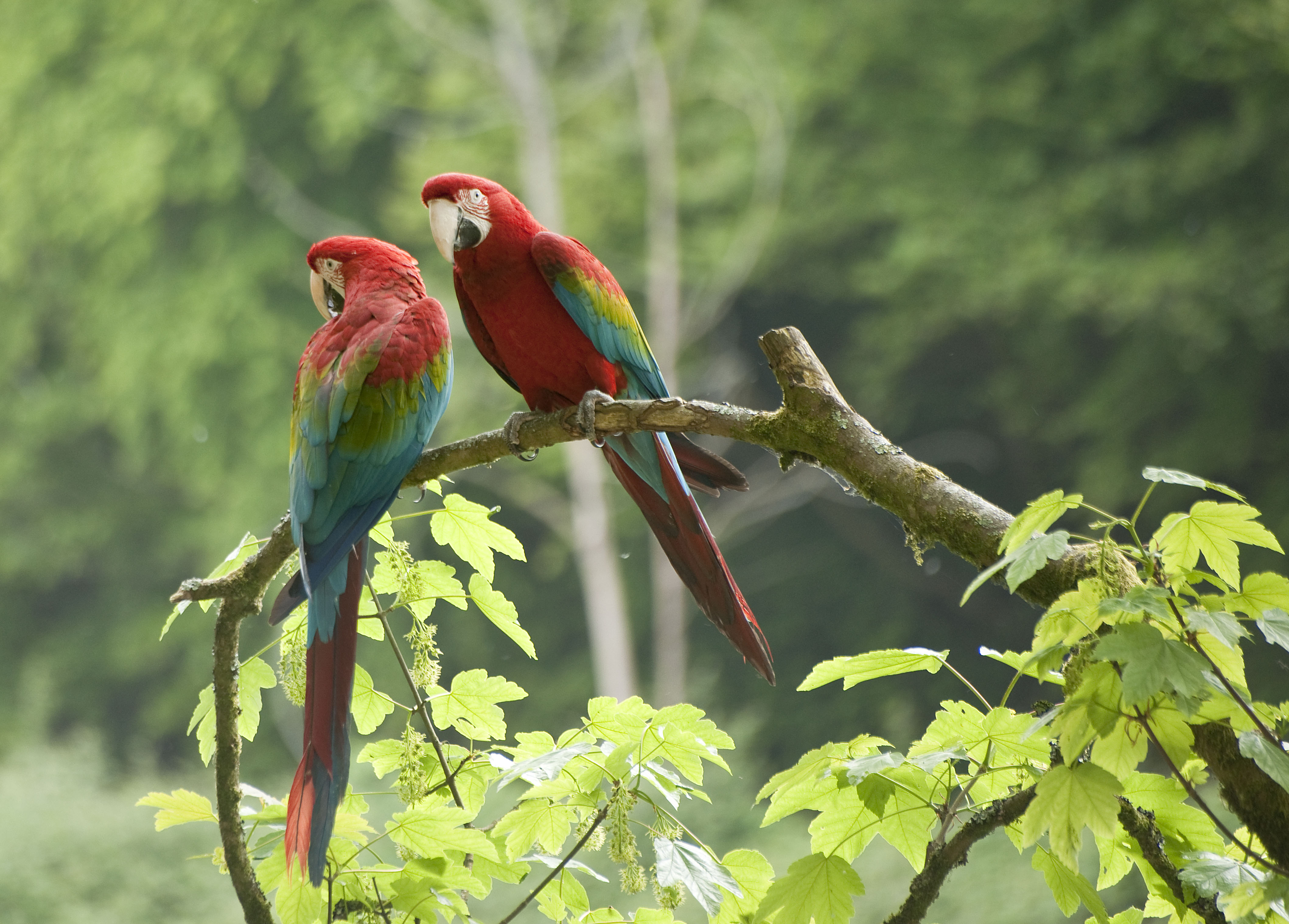
The Arara (in Pemón and other Carib languages), Guacamayo rojo (in Spanish) or red-and-green macaw is a bird you can find all over Northern South America in the deep forest. It is really a pleasure to the eyes. Unfortunately, many people think we humans should be putting them in cages.

These are in France.

Saturday, 12 March 2011

Venezuelan colours: Ruby-topaz

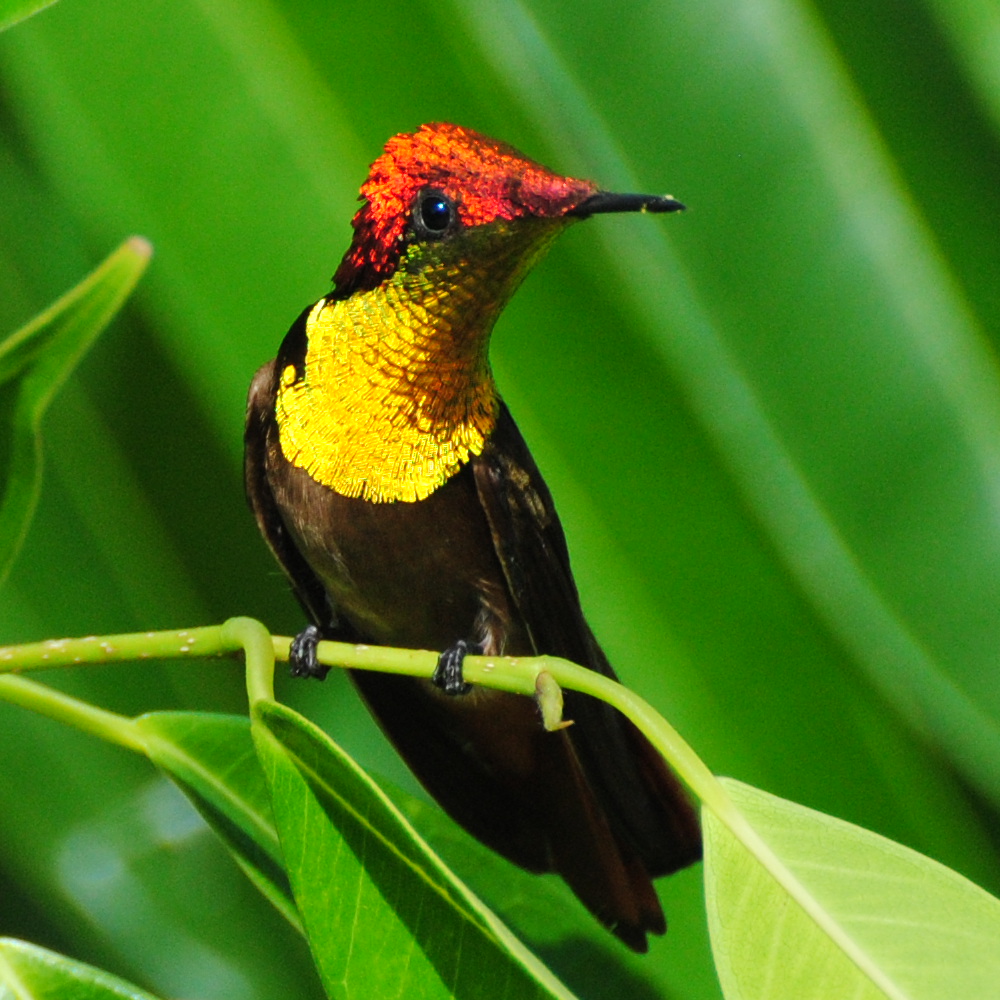
The Ruby-topaz hummingbird is another inhabitant of Northern South America. We call it in Spanish "tucusito ruby". "Tucusito" is a diminutive form in Spanish and although I could not find anything about the etymology, I bet it comes from a Carib language. In Pemon "hummingbird" is called tucü (or tucui). Large areas of Venezuela were originally inhabited by ethnic groups speaking Carib languages.

These hummingbirds are 8 centimetres long. Wikipedia dixit: "The female Ruby-topaz Hummingbird lays two eggs in a tiny cup nest in the fork of a low branch. Incubation takes 16 days, and fledging another 18 or 19."

Thursday, 21 October 2010

Afro-punk or turban?


The Crax daubentoni is endemic to Venezuela and Colombia. The Spanish name is pavón moquiamarillo or paujil de turbante.

The second picture from Wikipedia shows a female Crax daubentoni in a foreign animal jail.

It's funny what evolution can produce. Take a closer look at a male Crax daubentoni here. I reckon that yellow appendix is the equivalent of a flashy car for some other species.


Wednesday, 7 July 2010

Monkey-eating BBC-beating eagle


The Guardian has a great video. It is about how a monkey-eating eagle attacks a BBC filmmaker in Venezuela's jungle.

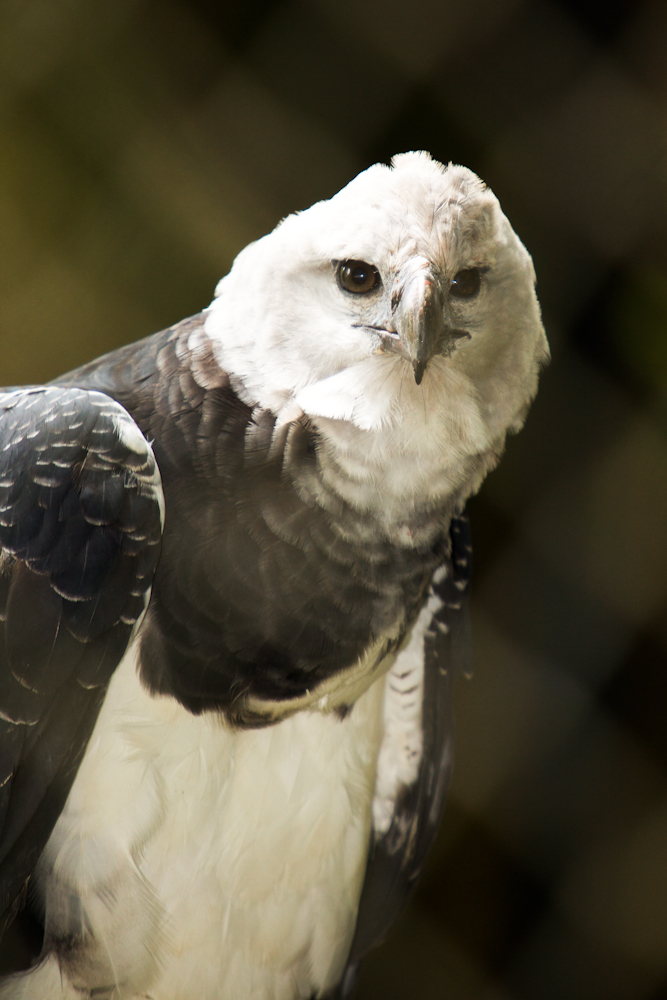
The eagle is a Harpia harpyja. There are several other eagle species in Venezuela big enough to grab monkeys, but this is the largest. It can have a wingspan of 200 cm and talons 13 cm long. You just don't mess with its nest.


Monday, 15 February 2010

Sweet creeper

The Green Honeycreeper is a bird that can be found from Mexico up to Bolivia, including Venezuela.


The female


The male


If you know of someone trading birds or keeping birds in a cage, tell her: that's not good. Some people still don't understand.

Saturday, 22 November 2008

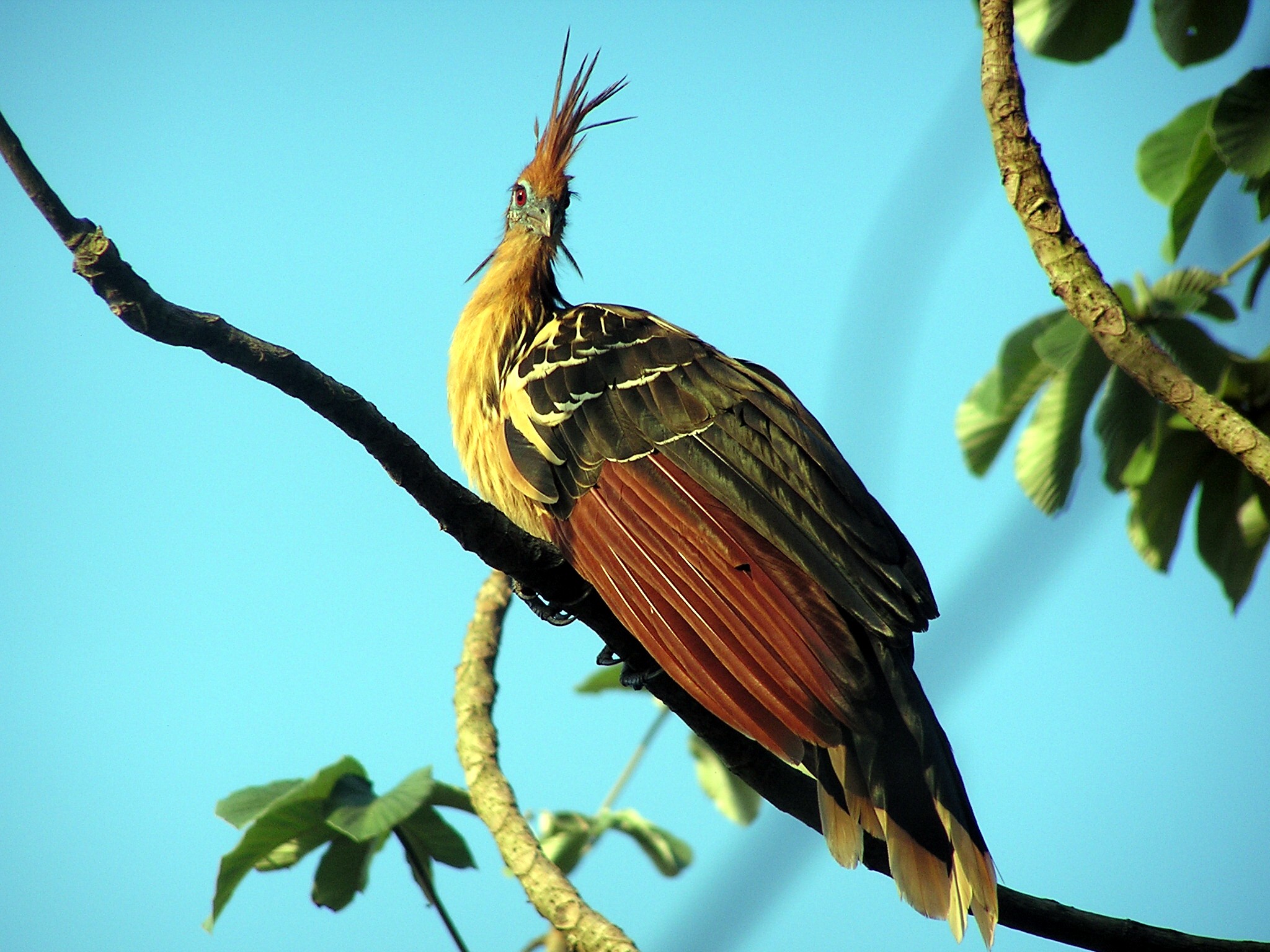
Hoatzins


Hoatzins ( Opisthocomus hoazin) live in the Orinoco Basin and the Amazon jungle, in Venezuela, Guyana and Brazil.
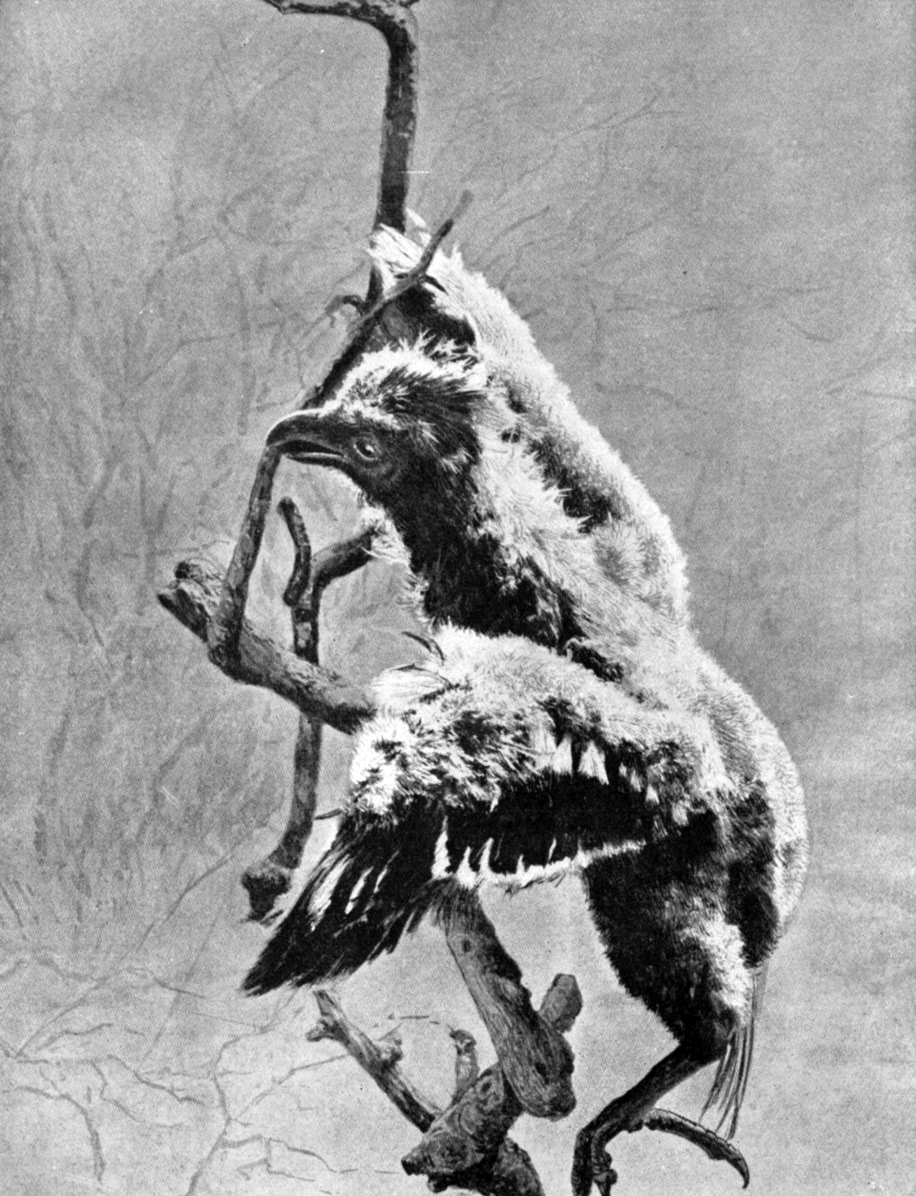
They are weird birds. Among other things, when they are young they have well-developed claws they use to climb up trees. They lose those claws when they grow up and learn to fly.
David Attenborough says in his wonderful The Life of Birds perhaps they show us a bit how Archaeopterix were, how they used their claws.

The DNA of hoatzins have made biologists scratch their head for a long time. They have classified the animal into its own family and order.