Sunday, 30 June 2013

Conflict of interests? "Defence" and money


Here you have an glimpse of some of the people who acted as most recent directors of certain US defence/security agencies. In yellow you have some of the companies for which they went to work after they left their governmental posts. 

As you can see, former NSA directors Inman and McConell went to work to Academi -aka Blackwater- and to Booz Allen Hamilton respectively. CIA director Woolsey also went to work for Booz Allen Hamilton (that's the company where Snowden was). Notorious George Tenet is active with two other defence contractors: L-1 Identity Solutions and QinetiQ. These guys are just the top. The governmental organisations and the companies that earn billions from state contracts are more interconnected than what most people would think...and that goes not only for the USA.

These people are the ones who promote policies that lead to a government spending billions and billions...on companies they will later work for, in wars that will be good for the companies and for certain interests. All those organisations used every piece of information they can access from us.

Accountability has been lost.

The Boligarch Family


I am gathering information about who is related to whom within the Boligarchs and how those relations are taking Venezuelan nepotism to completely new levels. We know the late caudillo Chávez placed many clan members in high governmental posts. That became the norm within the pseudo-revolution.

PDVSA's Ramirez, Cabello, the governor of Bolívar, the governor of Zulia and so many more: all of them have relatives actively taking their part in the cake. We are going to analyse them and present their connections in the nicest semantic network we can possibly produce. To do that we need your input: give us names, positions and, if possible, URLs. Thanks!


Saturday, 22 June 2013

Fatherland or toilet paper

I warn you: this is not a joke. The current minister of the "Popular Power" for Foreign Affairs, Elías Jaua, answered  with the most incredible thing to opposition leader Henrique Capriles, who was complaining about the huge shortages Venezuela is going through. Jaua said:
If you feel like using one like this you are a traitor of your fatherland

"Do you want fatherland or toilet paper?"

Jaua said "fatherland" means to go to the supermarket and have enoug money to buy the necessary products. Apparently, toilette paper and the other products Venezuelans lack now are not necessary. And apparently, Venezuela is the only country where you have to choose between toilette paper or having money to "buy the necessary things".

I am speechless.


Tuesday, 18 June 2013

Una suiza sobre la ley de lactancia en Venezuela

Una amiga suiza me escribió lo siguiente después de que le informase sobre lo que quiere hacer el oficialismo en Venezuela con la Ley de Promoción a la Lactancia Materna. Mi amiga es bióloga, madre y amantó a sus bebés.

 ¿De verdad con esa ley quieren limitar el uso de biberones y sancionarlo? ¡Increíble!
Como tu dices, en Suiza cada mujer decide. Pero realmente amamantar se promociona muchísimo. Tanto las ginecólogas que hacen el control de las mujeres embarazadas como las clinicas y los hospitales donde nacen los bebitos, como los medicos pediatras: todos recomendan darle leche materna al bebé. Inclusive, el seguro de enfermedades privado pero obligatorio paga a cada madre después de cada nacimiento tres sesiones con una consejera de lactar! También paga una bomba de leche. Me parece muy bien así. Pienso que el estado debe apoyar a las mujeres que dan de mamar con muy buena informacion porque la propaganda de las empresas, por supuesto, solo promociona el biberón y la leche artificial. Asi que promover la leche materna es claramente un deber del estado. ¡Pero eso no significa prohibir lo otro! Creo que toda propaganda para leche en polvo que he visto dice primero que lo mejor es la leche materna y solo despues dice que el polvo X es el mejor de los polvos.... No se si eso proviene de una ley.
 
Creo que amamantar es lo más natural y lo más sano y no cuesta dinero. Los polvos de leche son bastante caros, es todo un mercado. Aun así, no tiene nada que ver con el amor materno. Una madre aunque no pueda dar de mamar le puede brindar igual cantidad y calidad de amor a su hijo. El amor no depende del seno.

Friday, 14 June 2013

Die Sendung mit dem Esel - Fortsetzung

Die Tragikomödie setzt sich fort in Venezuela

Nymphomanie von Dollars

Der "Präsident" Nicolás Maduro erklärt nun, dass die Venezolaner unter einer "Nymphomanie von Dollars" leiden. Darunter versteht Chávez' Auserwählter die steigende Nachfrage nach Devisen. Das Land hat eine stark überbewerte Währung, strenge Preiskontrollen, eine sehr niedrige Produktivität, die Regierung führt massiv Waren aus den Ländern ein, die sie politisch unterstützen und verkauft diese Waren unter dem Marktpreis. Und dann spricht Maduro von Nymphomanie von Dollars. Das klingt so dämlich wie auf Spanisch.

Stillen und Ernährungssouveränität

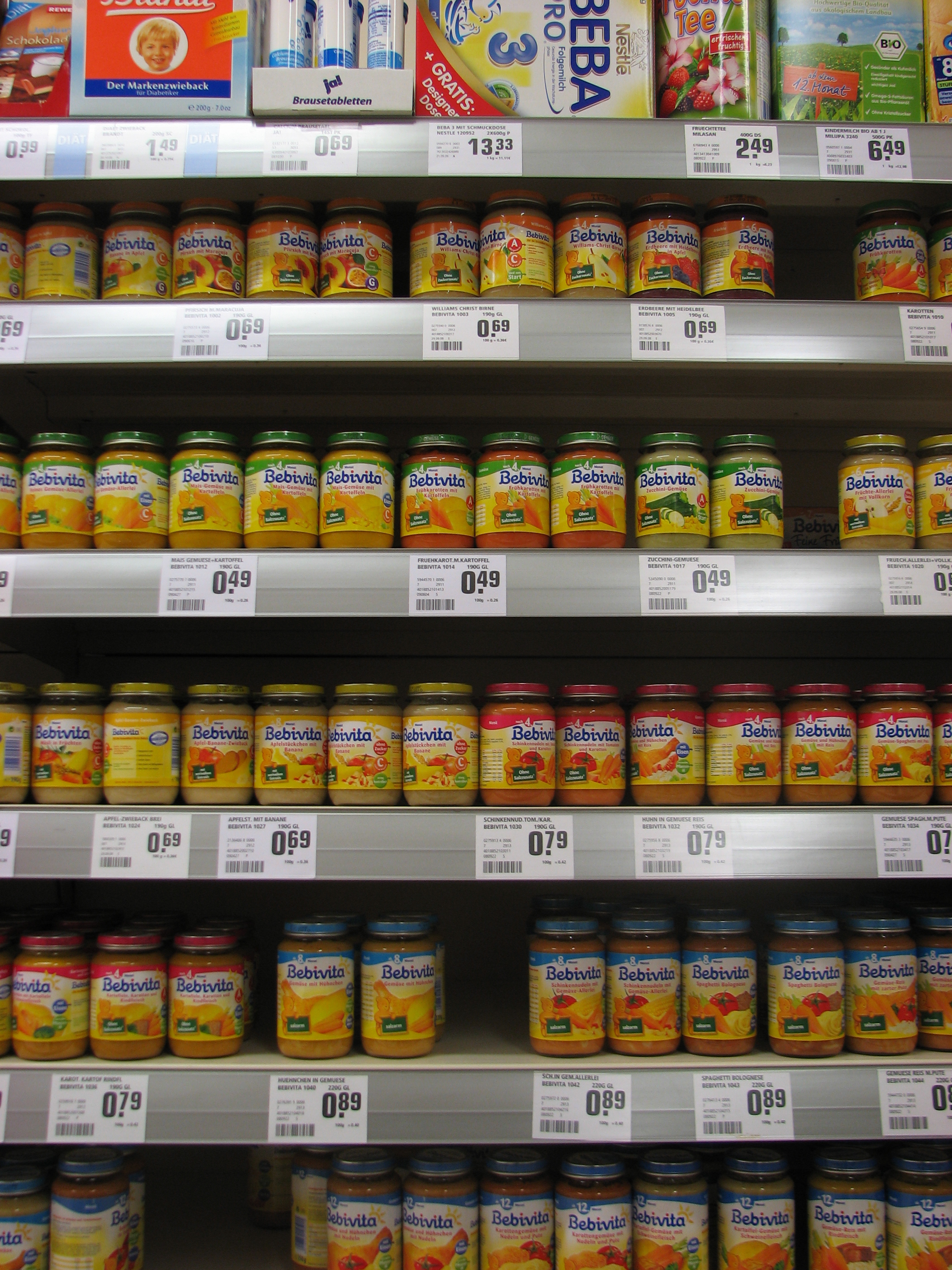
Eine der Regierungsabgeordneten, Odalis Monzón, erklärt, wie die "revolutionären Abgeordneten" eine neue Gesetzgebung einführen wollen, um "Souveränität" bei der Babyernährung zu garantieren. Was man darunter verstehen soll? Der Verkauf von Babynahrung wird streng begrenzt, damit alle Frauen, außer bei bestimmten Ausnahmen, ihre Kinder stillen. Babyflaschen werden nun unter strengen Kontrollen verkauft.


Hier könnt Ihr die Entwicklung der Kindersterblichkeit in Venezuela laut Regierungsstatistiken sehen. Angeblich ist die Lage nun besser als vor 20 Jahren, die Rate ist aber die, die man auch ohne drastische Erhöhung des Erdölpreises erwartet hätte. Das Schulniveau geht aber runter, die Perspektiven der Heranwachsenden wird ernster: Venezuela hat eine Mordrate, die mehr als dreimal höher ist als 1998. Das ist das Land, wo diese Kinder wachsen...und diese Abgeordneten kommen mit diesem Hirngespinst.

Schon wieder will man den Präsidenten ermorden, sagt er

Maduro und sein Außenminister sagen ständig, dass es einen Plan gibt, um Maduro umzubringen. Neulich wird Santos, der Präsident Kolumbiens beschuldigt, Maduro töten zu wollen. Eigentlich hat alles damit angefangen, dass Santos den Oppositionellen Henrique Capriles traf. Auch wenn Santos kurz vor dem Treffen Maduro anrief, um klarzustellen, dass das nicht böse gemeint ist - soweit sind wir gekommen - hat Maduro das als Affront angesehen. Er befahl, den Verkauf von Dollars - erinnert Euch, Venezuela hat eine strenge Währungskontrolle - für die Einfuhr kolumbianischer Waren stark einzuschränken. Die Waren werden nun verstärkt aus Nikaragua, Argentinien und aus noch entfernteren Gegenden importiert. Das ist viel teuer, es ist den Maduristas aber egal.



Thursday, 13 June 2013

Big data - for something useful


Here you will see an interesting video about opening up government data for the people...quite the opposite of what the current Venezuelan government is doing. Imagine if we showed them.


Sunday, 9 June 2013

Venezuela and NSA

The Guardian published some interesting stuff about how SIGIN by the US and the UK is being carried out. One of the article shows a map of what countries attract NSA's attention. As you can see, Venezuela doesn't seem to be particularly on the top. In fact: Venezuela is rather uninteresting.

Why? Let's be clear: Venezuela is not that important. And then: Venezuela's government is an open book, a crazy but nonetheless very open book.